Snags in the news
Plumbing, drainage and sewage problems in new-build homes
The new-build plumbing stories reported in the national press include leaking bathrooms and radiators, toilets and showers that could not be used normally, flooding and sewage entering living areas. In the most serious cases, homeowners faced major disruption, repeated remedial visits and substantial repair work. This page brings together five reports and explains how an independent inspection could check accessible fittings, operation and warning signs before they become part of daily life.
Examples from national news reports
Typical faults, snags and defects
The reported faults range from defective fittings and poor operation to water damage, drainage failure and sewage affecting the normal use of a home.
 01
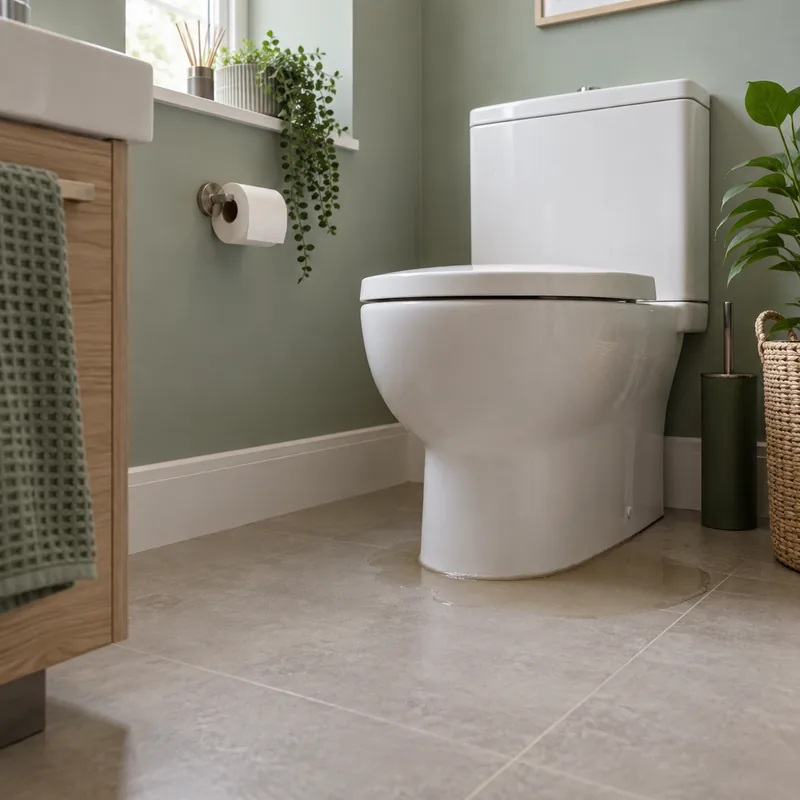
01Sewage reportedly entering lower floors or backing up through sanitary fittings.
 02
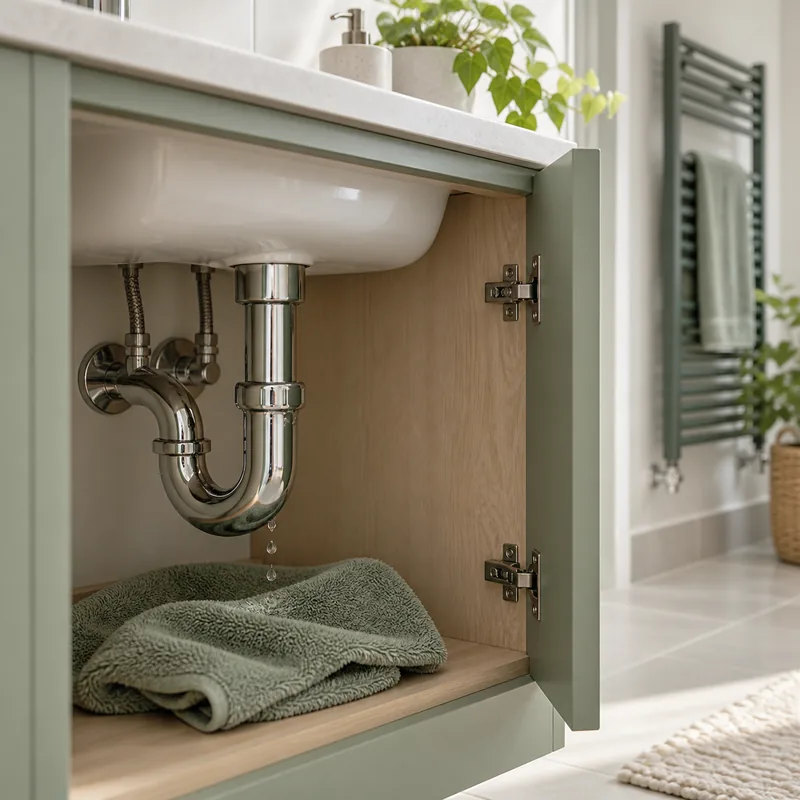
02Bathroom leaks, leaking sinks and radiators, and incorrectly connected plumbing.
 03
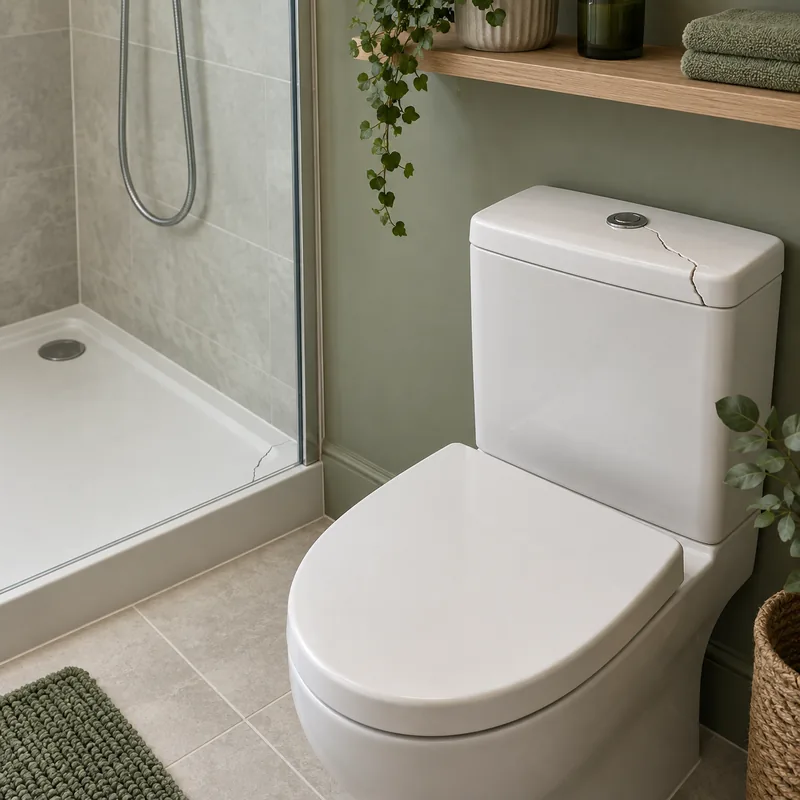
03Broken, cracked or unusable toilets, shower trays and other sanitaryware.
 04
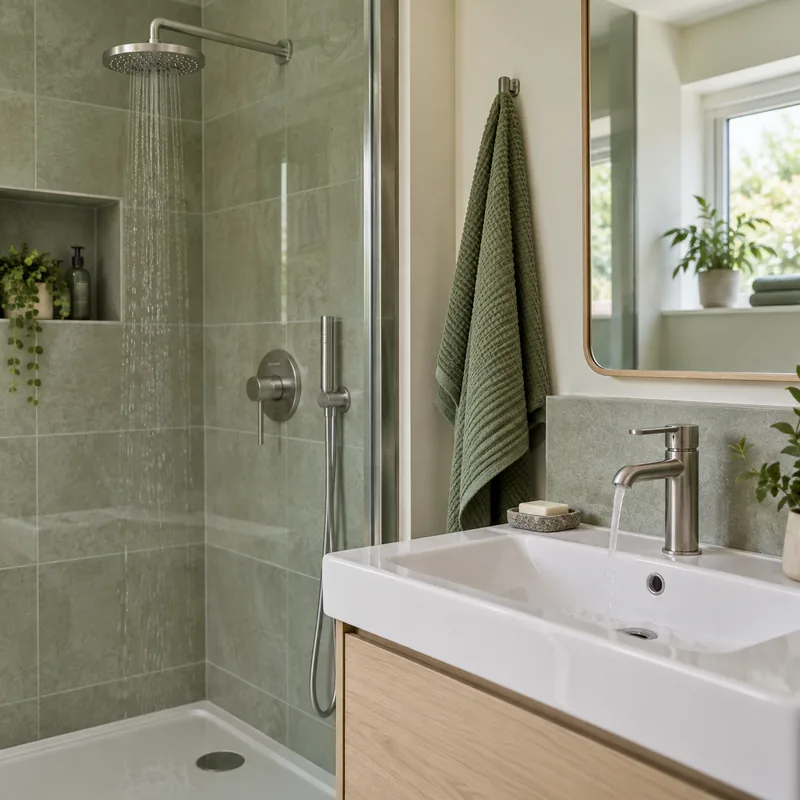
04No hot or cold water at showers, weak apparent flow and plumbing that did not operate normally.
 05
05Flooding, poor drainage and water damage affecting rooms, gardens and finishes.
 06
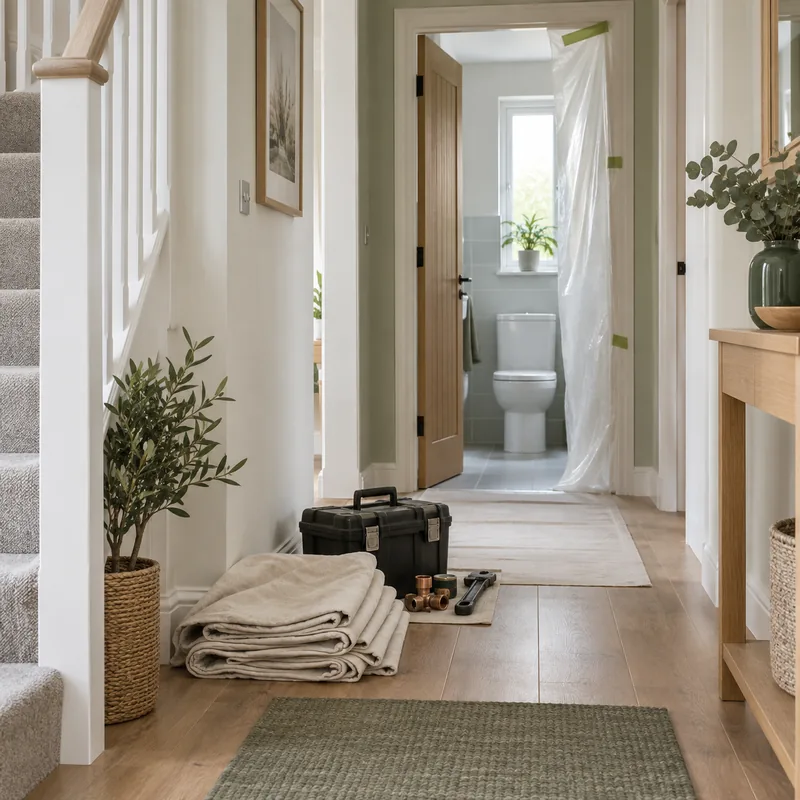
06Repeated remedial visits, loss of normal use, temporary disruption and substantial reported repair costs.
 07
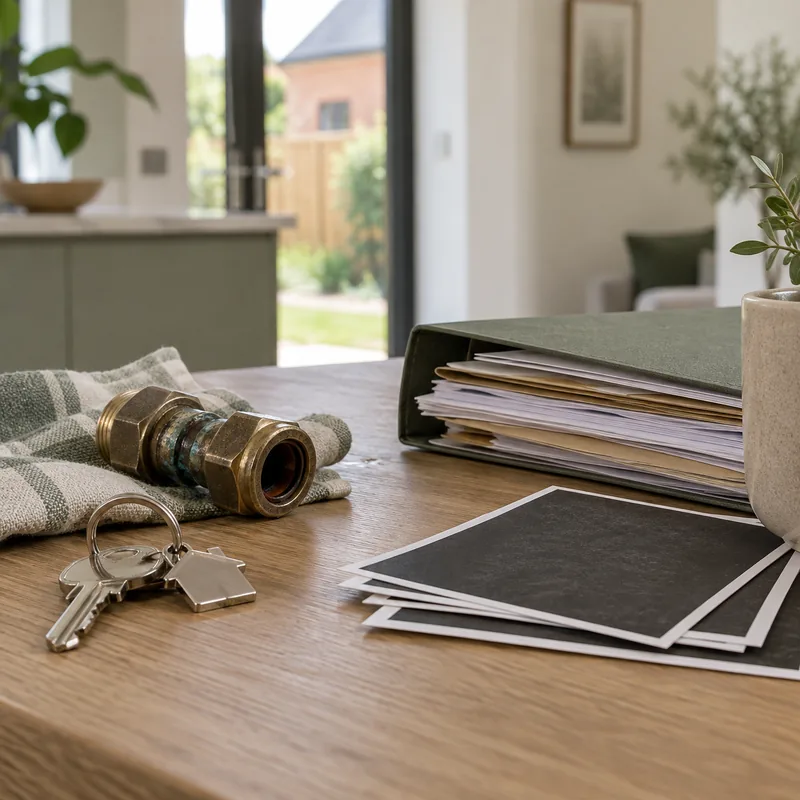
07Long-running disputes and uncertainty about the underlying cause or lasting correction.
Illustrative images — not photographs of the homes featured in these reports.
Plumbing defects can escalate from inconvenience to major disruption
The reports selected for this page describe consequences well beyond a dripping tap or minor finishing snag. Homeowners reported sewage entering living areas, repeated bathroom leaks, damaged sanitaryware, leaking sinks and radiators, showers without hot or cold water, flooding and prolonged repairs. These are selected reports, not a prediction for every new home, but their severity shows why early, independent evidence can matter.
Plumbing and drainage form a connected system. A symptom at one fitting may arise from a local seal, loose connection or damaged component, or from concealed pipework, drainage design or infrastructure beyond the home. Sewage backflow is a serious symptom but does not establish where the underlying problem lies. CheckSure should record what is observed without claiming a cause the inspection cannot prove.
Warning signs deserve prompt attention. Water around a fitting, staining below a bathroom, movement at a toilet or basin, incomplete seals, slow discharge, gurgling, unusual odours, backflow or failed hot and cold supplies can justify investigation. Dated photographs and notes of which fittings were operating can help distinguish a present observation from a later or intermittent event.
A CheckSure inspection examines accessible plumbing-related elements and records relevant conditions reasonably observable on the day. Depending on the service, access and safe normal operation, this may include taps, basins, baths, showers, toilets, visible wastes and connections, sanitaryware fixings and seals, apparent hot and cold delivery, radiator leaks and accessible surface drainage. Leaks, poor discharge, gurgling, odours or water escape during normal operation may be documented.
Most developers operate quality-assurance, inspection and handover processes. Even so, homes are assembled by many trades and plumbing depends on numerous components, joints and interfaces. Human error can occur, work can be damaged after checking, materials can fail and some defects emerge only through use. An independent inspection adds another evidenced checkpoint; it does not imply that every home is defective.
A completion-stage inspection remains visual, accessible and non-invasive. It is not a CCTV drain survey, pressure test, leak-detection exercise, commissioning certificate or opening-up investigation. Concealed pipework and joints, below-ground drains, communal systems and estate infrastructure cannot normally be assessed. An intermittent blockage or leak may not occur during the visit, and apparent flow at a tap is not certification of design pressure or capacity. No inspection can guarantee that every defect will be found or that every later plumbing or drainage problem will be prevented.
Its proper value is nevertheless significant: it gives buyers a focused opportunity to identify and document visible, accessible or normally testable concerns before warning signs are overlooked and before responsibility becomes harder to establish. It can also create a contemporaneous record before remedial work changes the visible condition or repeated occupation makes the history harder to reconstruct. The report can support clearer requests for correction and show when records, monitoring, opening-up work or a qualified plumbing or drainage specialist may be required. That is a proportionate promise: independent evidence at a useful stage, with firm boundaries around what the inspection can and cannot establish.
5 selected news articles
New-build snagging hits the headlines
CheckSure has summarised the key points and explained why they may matter. Each card links to the original publisher for the full context and responses.
* CheckSure did not inspect the homes featured and has not independently verified the reported accounts.
Sewage entering the lower floor shortly after occupation
The publisher’s accessible headline and description report that, three weeks after moving into a new-build home, a couple found numerous problems including sewage affecting the lower part of the property. The description attributes an estimated £200,000 repair figure to the case. The full account, technical cause, responses and basis of the estimate remain verification-gated because the article is paywalled.
Read the original article ↗- Why it matters
- The reported consequences include loss of normal use of part of the home, serious sanitation concerns and potentially extensive repair and disruption. The cost figure is the publisher’s reported estimate, not a CheckSure assessment.
- What CheckSure could look for
- Sewage backflow, leakage, odours or abnormal discharge already present during normal operation may be observable and recorded, with urgent referral where appropriate.
Bathroom leaks, damaged sanitaryware and leaking sinks and radiators
The BBC reported a household’s account of more than 200 snagging concerns, including three major bathroom leaks, a radiator said to have been connected incorrectly, a broken toilet, a cracked shower tray and leaking sinks and radiators. The report also described garden flooding and recorded responses from the organisations involved.
Read the original article ↗- Why it matters
- The reported problems disrupted normal use, damaged confidence in the home and required repeated remedial attention across plumbing and other parts of the property.
- What CheckSure could look for
- Accessible leaks, visibly damaged sanitaryware, loose fittings, failed seals, radiator leakage and abnormal operation may be identified and documented if present during the visit.
Plumbing failure, no shower water and repeated leaks
In an English case within a wider BBC report, a Surrey homeowner said the plumbing did not work, showers had no hot or cold water and water leaks were among 184 problems recorded after moving in. This summary deliberately focuses on the English account and does not combine it with a separate Scottish case covered by the same article.
Read the original article ↗- Why it matters
- The homeowner described essential services not operating normally alongside repeated defects and an extended effort to secure corrections.
- What CheckSure could look for
- Normal operation may reveal absent hot or cold delivery, visible leaks, poor discharge and fittings that cannot be used as intended.
An upstairs toilet leak among wider completion defects
The evidence audit records an upstairs toilet leak within a wider report about completion and safety concerns. The source page was not accessible during this drafting pass, so the exact wording, date, case context and material responses must be rechecked before any public use.
Read the original article ↗- Why it matters
- A leak from an upper-floor sanitary fitting can affect finishes and spaces below and may require prompt correction and investigation.
- What CheckSure could look for
- Visible leakage, failed seals, loose sanitaryware and staining below a fitting may be documented when accessible and present.
Drainage and plumbing defects observed during professional snagging
The Guardian’s feature on professional snagging described a range of visible new-build concerns, including drainage problems, sewage bubbling into a bath and a leaking pipe near an electrical socket. It provides useful context on what an inspection can reveal, but the featured inspector’s methods and scope should not be presented as CheckSure’s.
Read the original article ↗- Why it matters
- The examples show how plumbing and drainage symptoms can affect safe normal use and can sit alongside multiple other completion defects.
- What CheckSure could look for
- Back-up, abnormal discharge, leakage, visible poor falls or pooling and accessible plumbing defects may be observed where present and within scope.
How CheckSure can help
Turn concerns into clear, independent evidence
What CheckSure could look for
- Leaks or water escape that become apparent during safe, normal operation of accessible taps, baths, showers, toilets and wastes.
- Cracked, chipped, loose, poorly fixed or otherwise visibly damaged sanitaryware and accessible fittings.
- Failed or incomplete seals, visible connection defects and signs of prior leakage around accessible wet-area fittings.
- Toilets or wastes that do not flush or discharge normally, or gurgling, odours, slow drainage or back-up apparent during the visit.
- Whether hot and cold water are delivered at accessible outlets during normal operation, without certifying pressure, capacity or commissioning.
- Visible radiator leaks and accessible surface-drainage defects or pooling within the inspected property boundary, where included in the service.
What an independent inspection adds
- CheckSure can operate accessible taps, showers, toilets and other relevant fittings and look for leaks, poor flow, damage and abnormal operation within scope.
- A structured photographic record identifies the room, fitting and observed condition, helping homeowners raise a specific concern.
- Reviewing plumbing and drainage indicators across the property can reveal whether a concern appears isolated or forms part of a broader pattern.
- Where symptoms indicate a concealed, intermittent or below-ground problem, the report can support an informed referral for appropriate specialist investigation.
Need to know more?
Questions about the inspection?
Find clear answers about scope, reports, timings and what to expect.