

Snags in the news
Safety concerns and severe disruption in reported new-build cases
Some new-build cases have reached the national news because the reported defects went well beyond disappointing finishes. Coverage has described households losing rooms or leaving their homes while serious leaks, failed services, unstable elements, electrical concerns and major remedial work were addressed. This page explains how CheckSure can help identify and record accessible warning signs while directing urgent or specialist concerns to the right expertise.
Examples from national news reports
Typical faults, snags and defects
The reports show how several faults can combine into a condition that severely disrupts normal occupation, even where the underlying cause requires specialist investigation.
 01
01Homes or substantial parts of homes reported as unsuitable for normal occupation.
 02
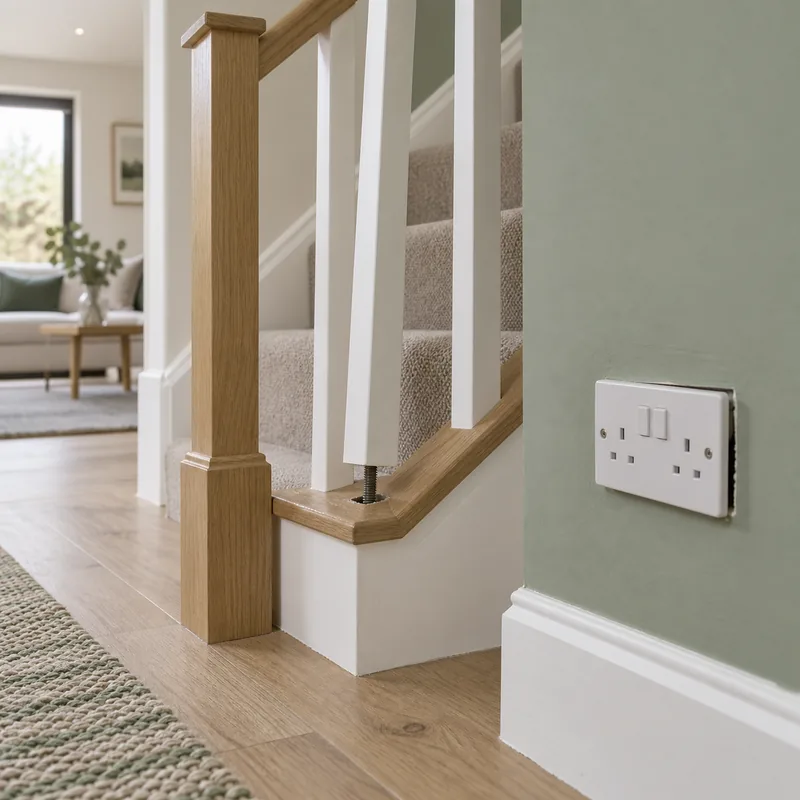
02Collapsed or unstable elements, live-wire concerns and disputed fire-safety details.
 03
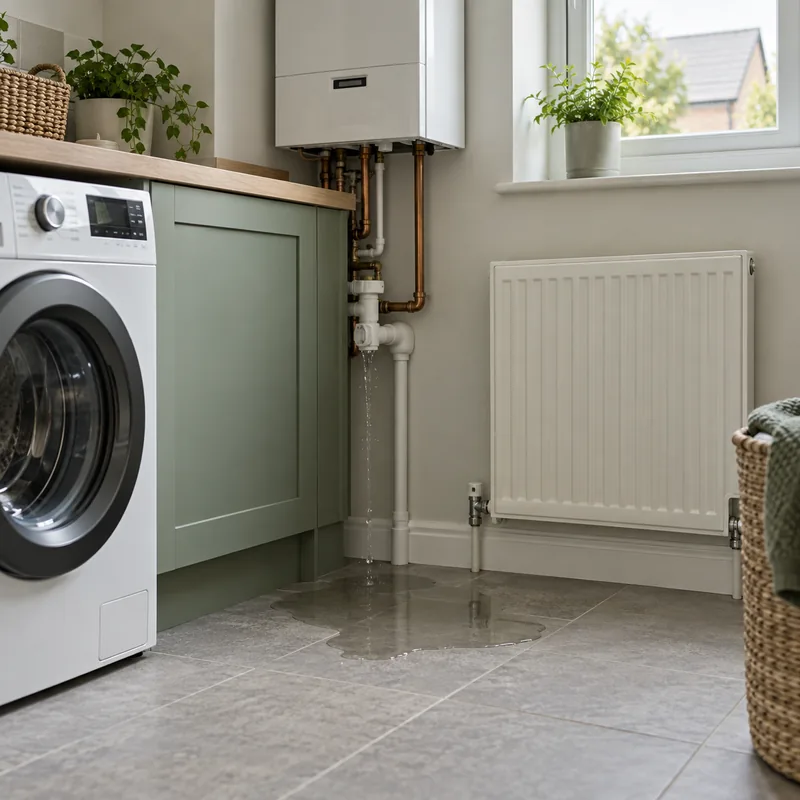
03Serious leaks, flooding, failed plumbing, heating or essential fittings.
 04
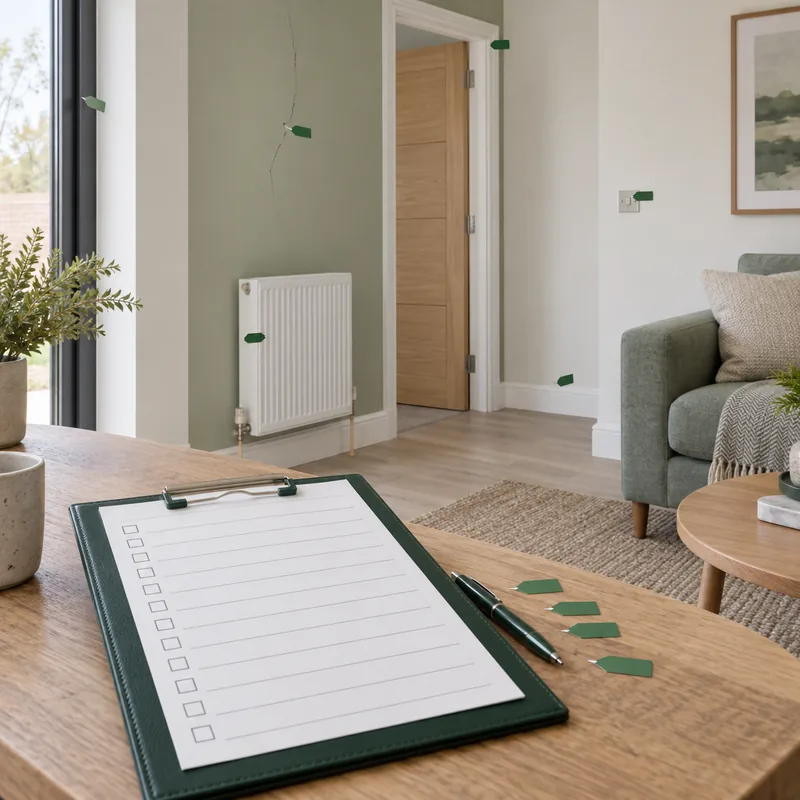
04Large numbers of defects combining into a more severe overall condition.
 05
05Kitchens, heating systems or finishes removed during major remedial work.
 06
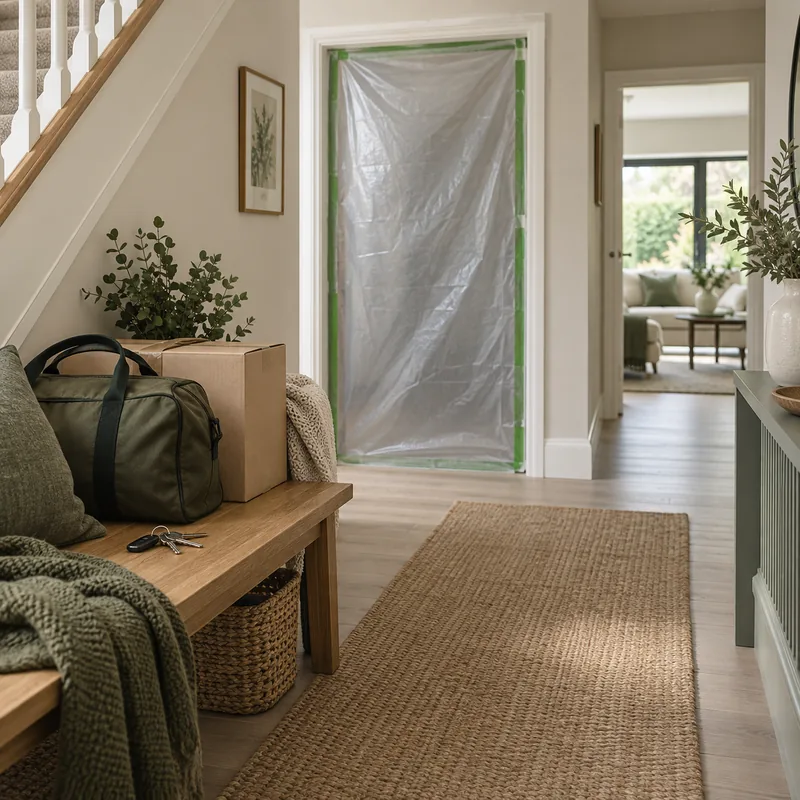
06Temporary relocation, loss of rooms and prolonged interruption to family life.
 07
07Uncertainty over concealed causes, specialist findings, responsibility and repair duration.
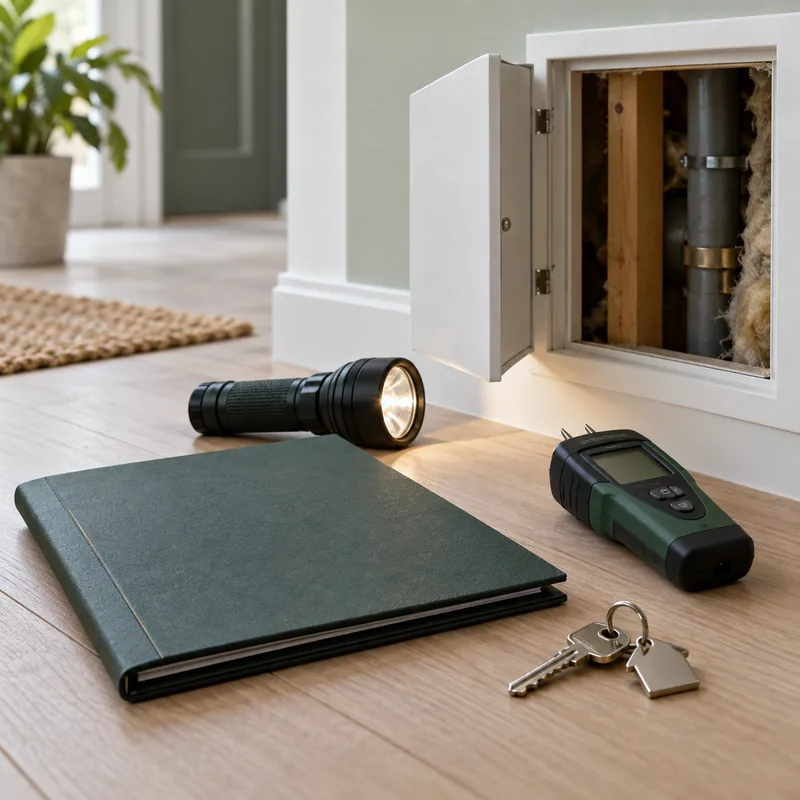
Illustrative images — not photographs of the homes featured in these reports.
Some defects have consequences far beyond appearance
The cases selected for this page show the severe end of reported new-build problems: collapsed or unstable elements, water entering living spaces, electrical and fire-safety concerns, loss of heating or plumbing, large defect lists and homes requiring major opening-up or temporary relocation. These reports do not show that every new home is unsafe. They do show why “snag” should not be treated as a synonym for a harmless cosmetic imperfection.
Habitability is usually an outcome rather than one defect that can be checked off a list. A home may become very difficult to use because several failures interact, because a critical service is unavailable or because remedial works remove rooms and facilities. CheckSure can describe observable conditions and their practical seriousness, but it should not make a legal declaration that a home is uninhabitable or decide whether statutory duties have been breached.
Within the agreed service, access and safety limits, an inspection may record loose or unstable accessible components, serious trip and fall hazards, gaps, defective guarding, stairs or doors, active leakage, visible damage, failed normal operation of accessible fittings and conspicuously unfinished work. A clear report can distinguish a routine finish item from a condition that merits urgent restriction of use, developer attention or suitably qualified specialist assessment.
An inspection is not an emergency response. If an immediate danger is suspected, occupants should stop using the affected area or item and contact the appropriate emergency service, developer, utility provider or competent specialist. CheckSure should not test exposed live parts, interfere with gas installations, enter an unsafe area or continue any check that would place a person or the property at risk.
Most developers operate quality-assurance, inspection and handover processes. New homes are nevertheless assembled on site by many people using many components, often while surrounding work continues. Human error can occur, completed work can be damaged and materials or connections can fail. Independent inspection adds another evidence-based checkpoint without labelling all developers or all new homes as good or bad.
Important dangers can remain hidden. A non-invasive completion-stage inspection does not verify concealed structural supports, fixings, wiring, pipework, fire stopping, cavity barriers or the internal build-up of walls and floors. It is not an electrical, gas, fire, structural or building-control certification, and conditions that are intermittent, inaccessible or not present during the visit may not be detectable.
The proper value of inspection is proportionate early warning. A dated photographic record can help a buyer identify visible hazards, prioritise urgent items, communicate the location and observed condition clearly and obtain the right next level of investigation. It can also make clear which areas were not accessed and which observations depend on immediate action rather than waiting for routine snagging correspondence. It cannot guarantee that every defect will be found, that a home will remain safe or that later disruption will be prevented, but it can reduce the chance that visible warning signs are normalised or lost.
5 selected news articles
New-build snagging hits the headlines
CheckSure has summarised the key points and explained why they may matter. Each card links to the original publisher for the full context and responses.
* CheckSure did not inspect the homes featured and has not independently verified the reported accounts.
Homes reported unsuitable for normal occupation after major defects
The BBC reported that recently completed homes required extensive corrective work and were described as unsuitable for normal occupation. The public summary must preserve the report’s case distinctions, chronology, attributed statements and material responses rather than presenting a single unverified technical cause.
Read the original article ↗- Why it matters
- The reported consequences included loss of normal use, major remedial work and significant disruption soon after purchase.
- What CheckSure could look for
- Observable leakage, incomplete work, damaged finishes, failed normal operation and other visible warning signs may be recorded and prioritised.
Hundreds of defects followed by extensive internal remedial work
The BBC reported a homeowner’s account of 354 defects and major corrective work involving the kitchen and heating, with the family expected to leave while work was completed. The number, timing, categorisation and responses require source verification before publication.
Read the original article ↗- Why it matters
- A large volume of defects can become a major practical burden when rooms, heating or other facilities must be removed or taken out of use.
- What CheckSure could look for
- Many finish, operation, completion and accessible services defects may be visible and capable of being photographed in a structured snagging inspection.
Unsafe conditions and unfinished areas reported across new homes
The BBC described households raising concerns including appliance and plumbing faults, an upstairs toilet leak, wall cracks, peeling flooring, gaps, uneven surfaces and unfinished communal infrastructure. Each allegation and response must remain attached to the correct home and party.
Read the original article ↗- Why it matters
- The combined conditions generated concern about safe normal use and prolonged uncertainty over when the homes and surrounding areas would be completed.
- What CheckSure could look for
- Visible gaps, loose finishes, unevenness, leakage and accessible operational failures may be recorded and, where appropriate, treated as urgent observations.
Leaks, heat loss and reported electrical and fire-safety concerns
The BBC reported households’ experiences of leaks, window and plumbing defects, heat loss, damaged repairs, a live-wire concern and disputed fire-blocking details among extensive snag lists. Technical findings, disputes and responses must be verified and attributed carefully.
Read the original article ↗- Why it matters
- Concerns extending beyond finishes can affect confidence in safe occupation, relationships and normal family life over a prolonged period.
- What CheckSure could look for
- Visible damage, leakage, failed operation and an obvious unfinished or unsafe condition may be recorded and referred promptly.
Collapsed staircase and extensive defects reported in occupied homes
The BBC reported wide-ranging defects in Cambridgeshire homes, including bathroom leaks, leaking sinks and radiators, sanitaryware damage, flooding, unsupported floors and a staircase collapse. The report covers several homes, so each detail and response must remain case-specific.
Read the original article ↗- Why it matters
- A failure involving stairs or floors can create immediate danger, while multiple leaks and failed fittings can materially restrict ordinary use.
- What CheckSure could look for
- Accessible movement, gaps, damage, poor operation, leakage and visible support concerns may justify recording, restricted use and urgent referral.
How CheckSure can help
Turn concerns into clear, independent evidence
What CheckSure could look for
- Loose, damaged or visibly unstable accessible elements and serious trip, fall, cut or impact hazards.
- Accessible stairs, guarding, floors, doors and windows that appear incomplete, damaged or do not operate normally.
- Active leaks, flooding, failed sanitary fittings and visible failures during normal accessible plumbing checks.
- Visible electrical damage or unfinished condition that should be left untouched and referred to a competent person.
- Rooms, routes or essential fittings whose present observable condition materially restricts normal use.
- Combinations of visible defects that warrant urgent prioritisation, restricted use or specialist assessment.
What an independent inspection adds
- CheckSure applies a systematic inspection method that can identify accessible hazards, failed operation, significant damage and other warning signs requiring prompt attention.
- A prioritised photographic record helps distinguish urgent observations from the wider snag list and supports clear escalation.
- Looking across rooms and systems can reveal how separate concerns combine to affect normal use of the home.
- The inspection does not replace emergency services or specialist certification, but it can record what was observed and indicate when urgent or specialist action may be appropriate.
Need to know more?
Questions about the inspection?
Find clear answers about scope, reports, timings and what to expect.