

Snags in the news
Damp, mould, leaks and infestations in new-build homes
These reports describe far more than isolated patches of condensation. National news coverage has documented new-build households dealing with persistent leaks, black mould, wet insulation, damaged rooms, infestations and repeated repairs, with some families leaving their homes while the problems were investigated. This page brings the reporting together and explains what an independent CheckSure inspection could look for and record before warning signs develop into greater disruption.
Examples from national news reports
Typical faults, snags and defects
The reports include recurring moisture problems and the serious consequences that can follow when the source is not found or the repair does not last.
 01
01Families leaving or being temporarily relocated from their homes.
 02
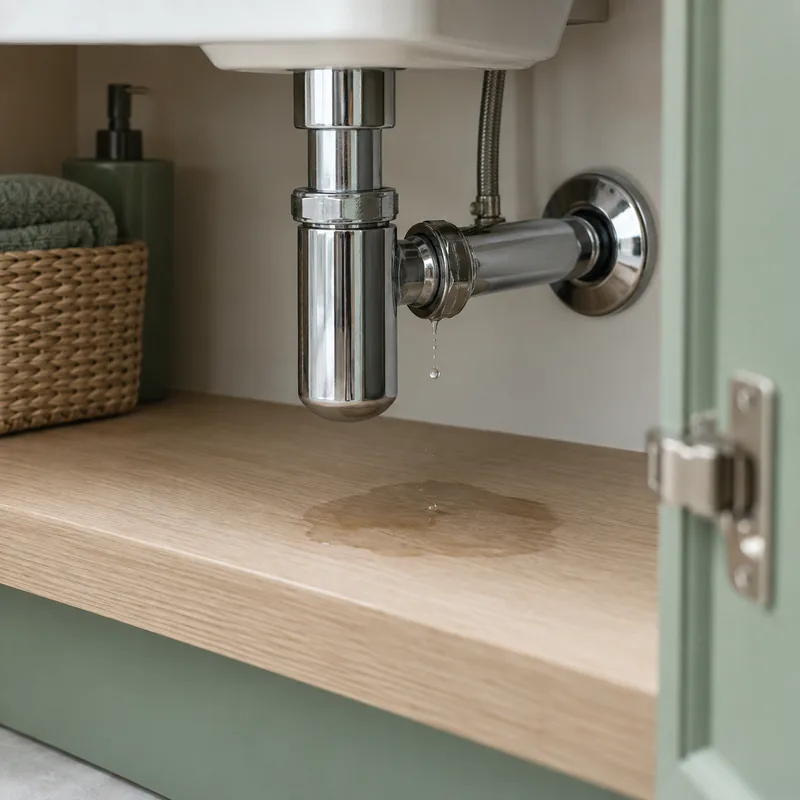
02Persistent roof and plumbing leaks affecting bedrooms, bathrooms, lofts and finishes.
 03
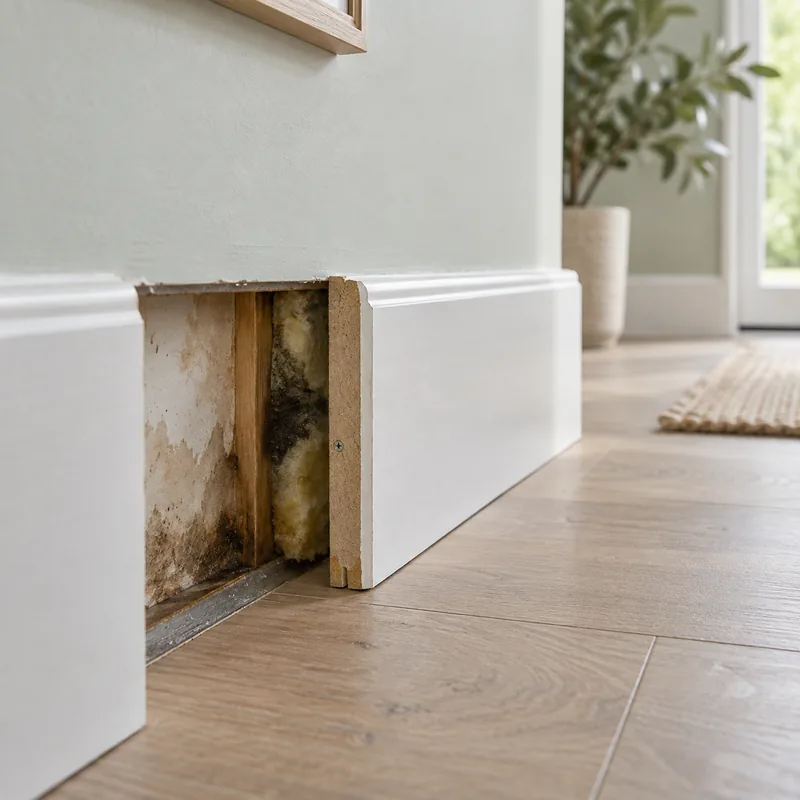
03Black mould, wet insulation and moisture concealed behind fixed finishes.
 04
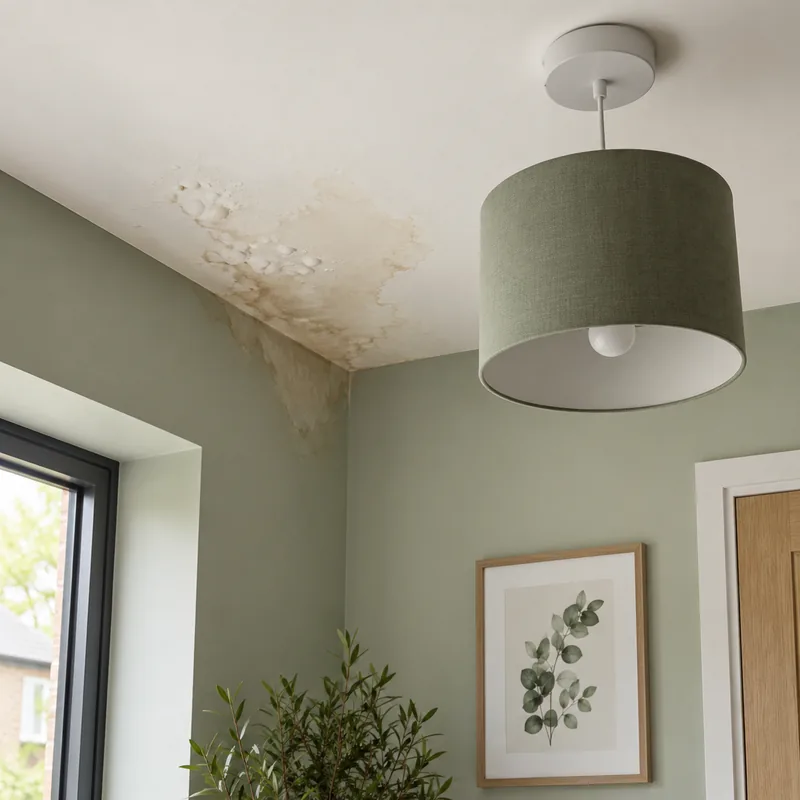
04Damaged ceilings, flooring, decoration and electrical concerns associated with water ingress.
 05
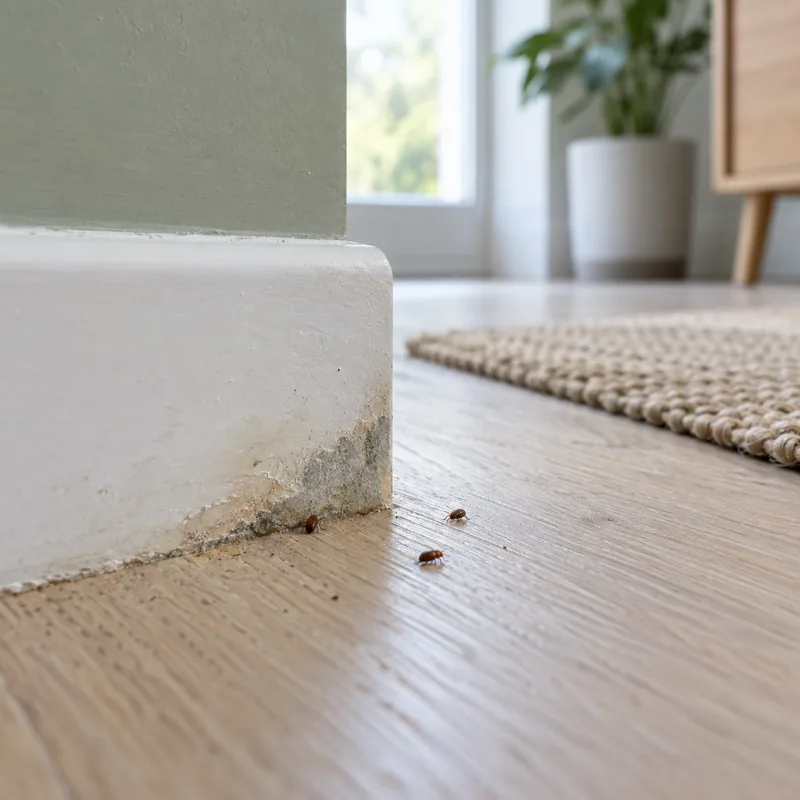
05Insect infestations reported alongside persistent damp conditions.
 06
06Repeated remedial work that homeowners said did not resolve the underlying problem.
 07
07Financial, health, saleability and warranty concerns lasting well beyond handover.
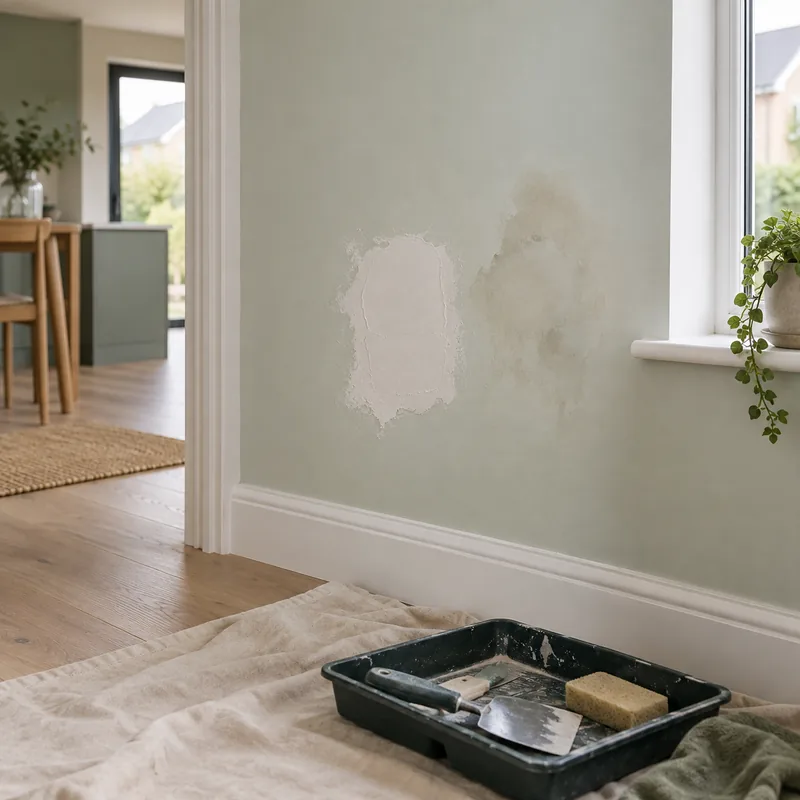
Illustrative images — not photographs of the homes featured in these reports.
Early warning signs deserve a systematic response
The media reports reviewed for this page describe consequences far beyond cosmetic snagging. Homeowners reported persistent water entering living spaces, mould returning after treatment, wet insulation, damaged ceilings and floors, infestations, electrical symptoms, extensive remedial work and periods when families could not use or remain in their homes. Some also described health worries, difficulty selling, warranty pressure, financial loss and years spent trying to secure lasting repairs. These are selected cases, not a prediction for every new home, but their severity is the reason early evidence matters.
Damp, mould and leaks are not one defect. They are outcomes that may have very different causes: rainwater entering through a roof or external junction, a leaking pipe or wet-area seal, ineffective extract ventilation, an accessible insulation gap, retained construction moisture or a problem originating beyond the inspected home. Infestations may accompany persistent moisture, but their presence alone does not prove the entry route, technical cause or point at which the underlying condition began.
Warning signs should therefore be taken seriously before damage spreads. Staining, bubbling paint, musty odours, visible mould, wet roof timbers, defective seals, ineffective extract fans, obstructed ventilation paths or water appearing during normal operation can justify prompt investigation. A dated photographic record of the location, weather and extent of a concern can support clearer requests for correction and make it harder for a developing pattern to be dismissed as an isolated incident.
A CheckSure inspection examines the home systematically and records relevant conditions that are present and reasonably observable on the day. Depending on the service and access available, this may include roof coverings from safe ground positions, visible rainwater goods, internal staining, accessible loft spaces, visible insulation coverage, wet-area seals, sanitary fittings, wastes, extractor operation and other signs of incomplete or defective work. Where findings suggest a specialist risk, the report can identify the need for referral rather than leave the buyer without a next step.
Developers normally operate quality-assurance, inspection and handover processes, but no process is infallible. Homes are assembled by numerous trades; interfaces can be missed, human error can occur, work can be damaged after checking and materials can fail. Some problems appear only after rain, heating, occupation or seasonal change. An independent inspection adds another clearly evidenced checkpoint rather than assuming previous sign-off identified every concern.
A completion-stage inspection remains visual, accessible and non-invasive. Closed cavities, concealed membranes, hidden pipework, the full build-up of a flat roof and insulation behind fixed finishes cannot normally be seen. An intermittent leak may leave no visible trace during dry weather. CheckSure does not provide a structural survey, drainage survey, electrical certificate, pest assessment or medical evaluation, and no inspection can guarantee that every defect will be found or every future problem prevented.
Its proper value is still substantial: a focused opportunity to identify and document visible, accessible or normally testable defects before warning signs are overlooked or responsibility becomes harder to establish. Buyers gain an independent record, clearer questions to raise and a better basis for deciding whether correction, monitoring, construction records, opening-up work or specialist investigation is required.
6 selected news articles
New-build snagging hits the headlines
CheckSure has summarised the key points and explained why they may matter. Each card links to the original publisher for the full context and responses.
* CheckSure did not inspect the homes featured and has not independently verified the reported accounts.
Roof leaks, external staining and mould in accessible loft spaces
The BBC reported concerns across two developments, including water running down external walls, damp or discoloured roof areas, mould in loft spaces and recurring moisture after remedial work. The report also recorded disputed explanations and responses from the developer and warranty provider. It illustrates how similar symptoms can arise in different roof forms and why an observed condition should not be turned into a technical conclusion without evidence.
Read the original article ↗- Why it matters
- Homeowners described recurring damp and mould, prolonged remedial work, warranty uncertainty and concern about whether the homes could be sold. One account included flickering lights and water released from an extractor area.
- What CheckSure could look for
- Visible external staining, accessible loft mould or wetting, roof details seen safely from the ground and visible ventilation or insulation concerns may be recorded if present.
A loft leak, bathroom mould and outstanding repair concerns
A family told a local publisher about a leak from the loft into a bedroom, staining and bubbling paint, black mould affecting bathroom flooring and other outstanding defects. The article also recorded the housing provider’s response and repair plans. The homeowner linked the mould to concerns about children with an existing respiratory condition; CheckSure would present that as the family’s reported concern, not as established medical causation.
Read the original article ↗- Why it matters
- The family reported damaged finishes, disrupted use of bathrooms, delayed repairs and particular concern for children with an existing respiratory condition.
- What CheckSure could look for
- Leak staining, mould, damaged finishes, wet-area seals, extractor operation and visible electrical condition can be observed or referred where accessible and present.
Long-running water ingress, mould and the consequences of unsuccessful repairs
Residents reported years of damp, mould and water ingress, together with repair work that they said left openings and cold air entering the home. This is a strong account of consequence and aftercare, while offering a more limited basis for saying what would have been visible before occupation.
Read the original article ↗- Why it matters
- The reported consequences included continuing discomfort, unsuccessful repairs, difficulty moving on from the property and a feeling of being trapped.
- What CheckSure could look for
- Current staining, mould, gaps, repair damage and accessible indications of water entry may be documented.
Damp, concealed wet materials and reported insect infestation
Two of the reports concern the same Lancashire household and are therefore treated as one case rather than separate evidence. They describe visible damp and mould, later discovery of mould behind fixed finishes, wet cavity insulation and a beetle infestation. A separate iNews report describes another infestation and significant reported remediation costs; its detailed causation and figures remain verification-gated for final copy.
Read the original article ↗- Why it matters
- The reports describe large numbers of insects, concealed mould, relocation, private expenditure and substantial financial and emotional pressure.
- What CheckSure could look for
- Visible mould, odour, loose finishes, accessible damp indicators and an infestation already present may be recorded.
First-person reports of persistent leaks, damp and mould
These personal accounts describe the disruption and frustration associated with recurring leaks, damp and mould in new homes. They are useful for the homeowner-impact narrative, but the precise technical causes and material responses must be checked against lawful full-text access before any detailed public summary is finalised.
Read the original article ↗- Why it matters
- The accessible reporting presents persistent moisture as a problem affecting normal occupation, confidence in the home and the owners’ ability to move forward.
- What CheckSure could look for
- Visible water damage, mould, staining, open defects and accessible workmanship concerns may be recorded if present.
A leak from an adjoining wet room followed by mould, damaged flooring and silverfish
A resident reported persistent effects from water entering from an adjoining wet room, including mould, damaged flooring, an insect infestation, repeated repairs and temporary relocation. The case demonstrates that consequences may be visible inside one home even when the origin lies in another dwelling or a concealed part of the wider building.
Read the original article ↗- Why it matters
- The reported impact included rotten or damaged flooring, recurring mould and silverfish, repeated repair activity and the resident having to leave temporarily.
- What CheckSure could look for
- Mould, damaged flooring and accessible signs of water exposure may be recorded within the inspected home.
How CheckSure can help
Turn concerns into clear, independent evidence
What CheckSure could look for
- Visible staining, mould, damp patches, bubbling paint, damaged finishes or musty conditions present during the visit.
- Roof coverings and rainwater details visible from safe ground positions, together with accessible loft staining, visible insulation coverage, debris and ventilation paths.
- Failed or incomplete seals around baths, showers, sanitary fittings, windows and other accessible junctions.
- Leaks, poor discharge, gurgling, odours or water escape that become apparent during normal operation of accessible fittings.
- Whether accessible extractor fans and ventilation controls operate when tested, without certifying the system’s full design performance.
- Visible openings, damaged flooring, incomplete finishes or other conditions that may warrant referral or closer investigation.
What an independent inspection adds
- A CheckSure inspection gives the home a systematic room-by-room review for staining, damp indicators, leaks, defective seals and other accessible warning signs.
- Clear photographs and precise locations provide an independent dated record that can support specific remedial requests.
- Reviewing related symptoms together can help distinguish an isolated mark from a wider pattern that deserves prompt investigation.
- Where the evidence suggests a concealed or specialist cause, the report can explain why further investigation may be appropriate without claiming certainty that the inspection cannot provide.
Need to know more?
Questions about the inspection?
Find clear answers about scope, reports, timings and what to expect.