

Snags in the news
Workmanship and internal finish defects in new-build homes
These were not simply a few minor marks at handover. National news reports have described individual new-build homes with more than 100 recorded snags and defects, including doors that would not close, protruding nails, damaged finishes and poorly fitted kitchens. The scale of the problems, disruption and unresolved remedial work became serious enough for homeowners’ experiences to make national headlines. This page brings together five news stories and explains how an independent snagging inspection could help identify and document problems at an earlier stage.
Examples from national news reports
Typical faults, snags and defects
In these stories, the impact often came from a combination of problems: how many were found, how they affected everyday use and how disruptive the remedial work became.
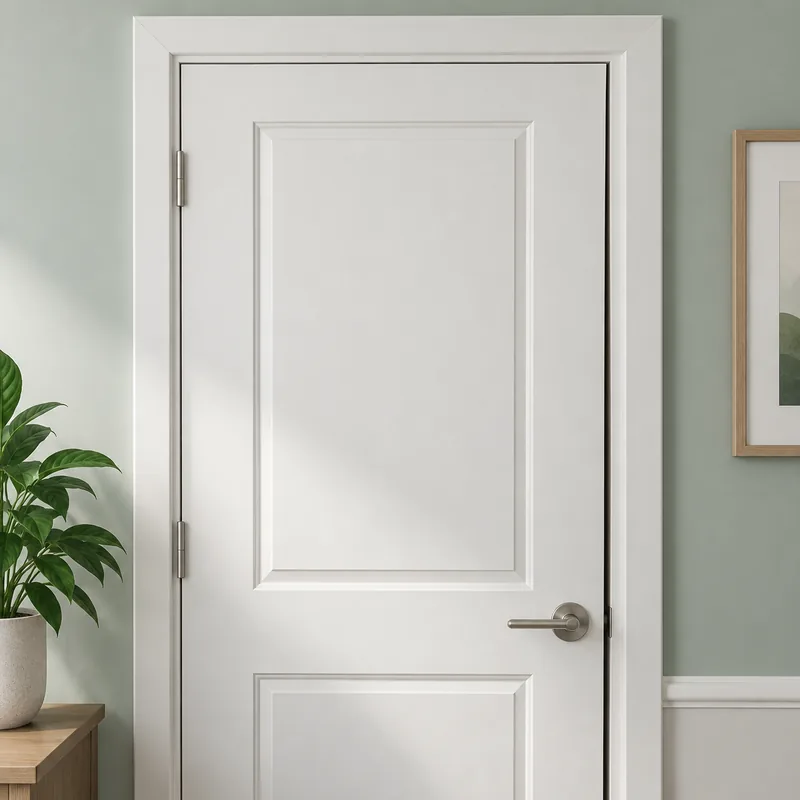 01
01Patio or internal doors that did not close, align or operate as expected.
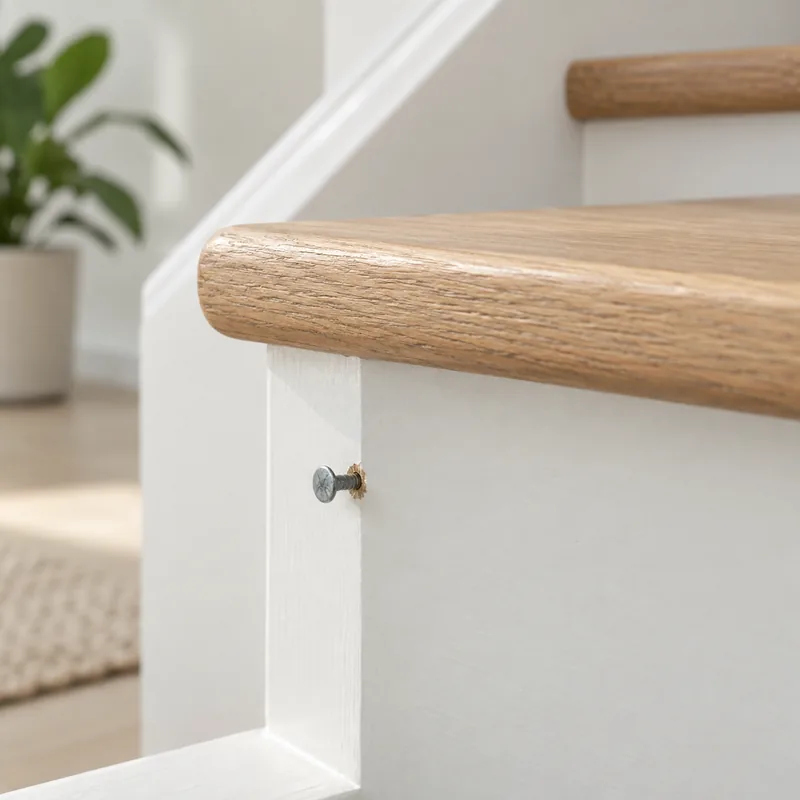 02
02Nails, screws or sharp fixings left protruding from stairs, cupboards or finishes.
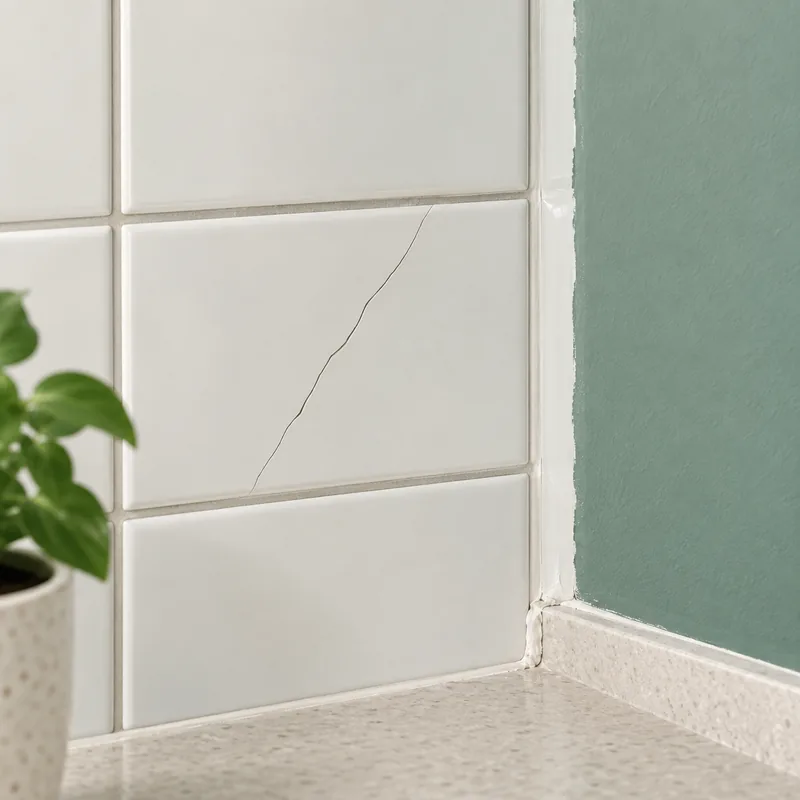 03
03Poor paintwork, damaged surfaces, cracked tiles, unfinished sealant and untidy junctions.
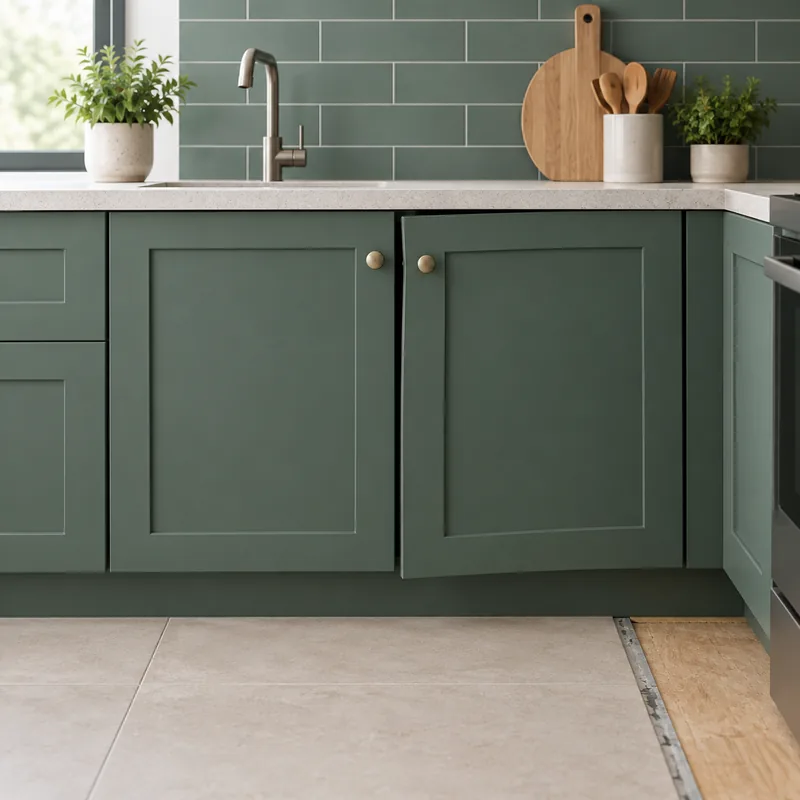 04
04Poorly fitted kitchens, missing flooring, torn carpet, damaged windows and omitted fittings.
 05
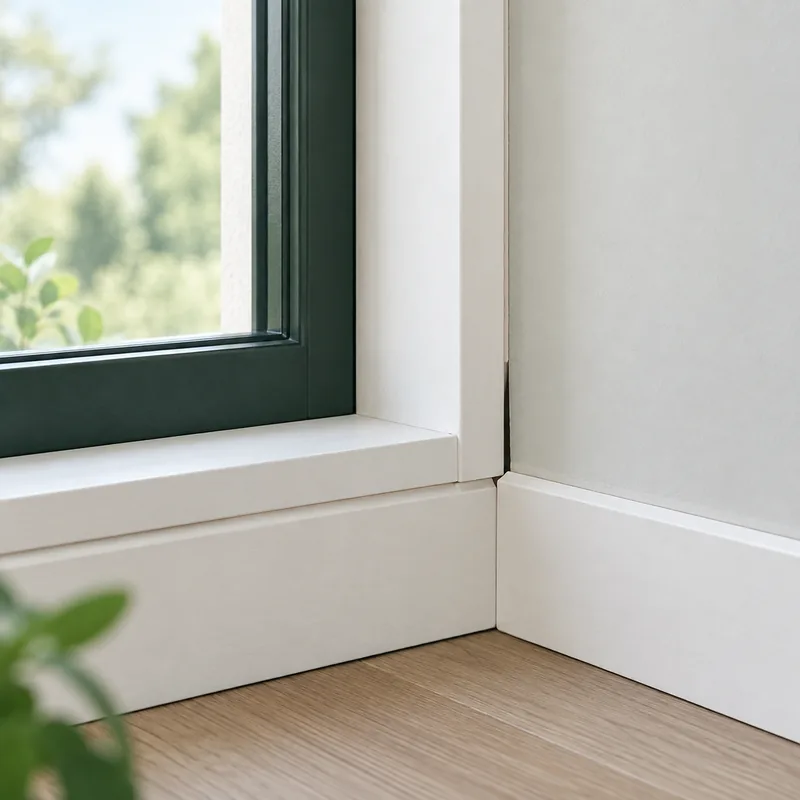
05Crooked floors, walls, gutters or joinery and other visibly misaligned construction.
 06
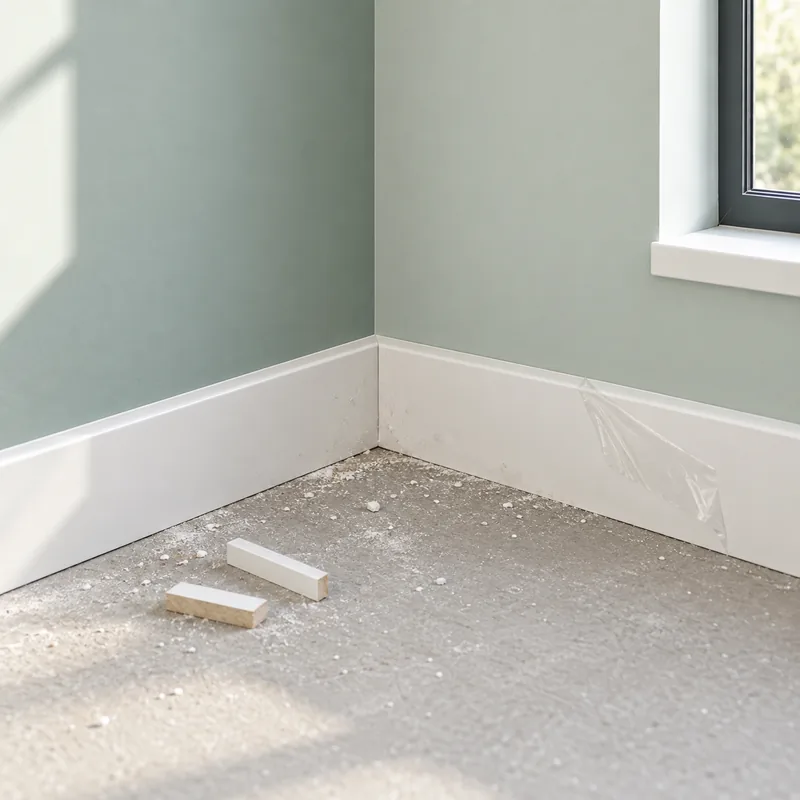
06Debris, residues or unacceptable site cleanliness remaining at handover.
 07
07Dozens or hundreds of recorded snags followed by repeat visits and prolonged corrective work.
Illustrative images — not photographs of the homes featured in these reports.
Small defects can add up to a significant problem
The reports selected for this page show how visible defects can accumulate across a newly completed home. Homeowners described doors that would not close, exposed nails, damaged windows and flooring, poor kitchen fitting, incomplete seals, cracked finishes and extensive snag lists. Some items may look cosmetic in isolation, but large numbers of unfinished or defective details can affect safe use, disrupt moving in and require repeated access for repairs.
This category has a particularly direct relationship with professional snagging. Many concerns involve surfaces, fittings and components that can be seen, touched or operated without opening up the building. A systematic room-by-room inspection is designed to reduce the chance that an obvious defect is missed because a buyer is distracted by the excitement and pressure of handover. The value lies in method, coverage and clear evidence rather than a quick visual glance.
Depending on the agreed service and access, CheckSure may examine walls, ceilings, floors, stairs, doors, windows, joinery, kitchen units, sanitary finishes, decorations, sealants and visible fittings. The inspection can record damage, incompleteness, poor alignment, looseness, sharp hazards, staining and components that do not operate normally. Photographs, locations and concise descriptions create a more usable schedule for requesting correction than a general complaint that the finish is poor.
Judgement still matters. New homes are built on site rather than produced as perfectly uniform factory products, and not every small visual variation is a defect requiring correction. Relevant standards, tolerances, viewing conditions, material characteristics and the practical effect on use may need to be considered. CheckSure should describe the observable condition accurately and avoid claiming structural failure, non-compliance or responsibility where the inspection cannot establish it.
Most developers operate quality-assurance, inspection and handover processes. Even so, a home passes through many trades and finishing operations, often while other work continues around it. Human error can occur, finished work can be damaged by later activity, components can fail and an item may be overlooked during previous checks. Independent inspection adds a separate evidenced checkpoint; it does not mean that every home or every developer’s work is defective.
A completion-stage inspection remains visual, accessible and non-invasive. It cannot verify concealed fixings, hidden substrates, structural adequacy or workmanship behind fixed finishes. It is not an electrical, gas, fire-safety or structural certification. Furniture, stored materials, restricted access or incomplete utilities may prevent checks, and damage can occur after the visit. No inspection can guarantee that every defect will be found or that the developer will accept and correct every item recorded.
Its proper value is strong but proportionate. A structured inspection can identify many defects that are present and reasonably observable before they become part of everyday occupation or are obscured by possessions. It creates a dated baseline, helps buyers raise specific evidence and indicates when measurement, records, monitoring or specialist assessment may be needed. For workmanship and internal finishes, that independent record can turn a vague sense that something is wrong into a clear, prioritised account of what was actually observed.
5 selected news articles
New-build snagging hits the headlines
CheckSure has summarised the key points and explained why they may matter. Each card links to the original publisher for the full context and responses.
* CheckSure did not inspect the homes featured and has not independently verified the reported accounts.
Doors that would not close and nails protruding from stairs
The BBC reported homeowners’ accounts of about 90 outstanding faults, including patio doors that would not close and nails protruding from stairs. The story also described residents warning prospective buyers while seeking action over unresolved work. The final public copy must confirm the chronology and retain any material response carried by the source.
Read the original article ↗- Why it matters
- A door that cannot close affects security, weather resistance or normal use, while exposed nails on a staircase present an immediate visible hazard. A long unresolved list can also extend disruption after occupation.
- What CheckSure could look for
- Door operation, visible sharp fixings, incomplete work and many finish defects are strong examples of conditions a systematic inspection may identify and photograph.
A professional inspection records 116 items in one new-build home
The BBC video followed snagging inspectors through a new-build home and reported 116 items ranging from paintwork to a disconnected extractor fan in the loft. It demonstrates the breadth of a structured inspection, but the featured inspectors’ methods and scope must not be represented as identical to CheckSure’s service.
Read the original article ↗- Why it matters
- The number and range of items show how small visible defects can accumulate and how a failed or disconnected component can sit alongside finishing concerns.
- What CheckSure could look for
- Systematic inspection of accessible rooms, finishes, fittings and normally operable components closely matches the purpose of CheckSure’s snagging service.
Cracked finishes, poor alignment and missing components found during snagging
The Guardian feature described professional snaggers finding cracked tiles and bricks, misaligned gutters and walls, doors and windows that did not close, missing seals, damaged flooring, a torn carpet and an omitted shower among numerous examples. It also reported responses from organisations and people featured in the article.
Read the original article ↗- Why it matters
- The examples range from poor presentation to missing essential components and defects that affect normal operation, illustrating why quantity, location and severity all matter.
- What CheckSure could look for
- Many cited items are visible, accessible and closely aligned with a systematic check of workmanship, finishes, doors, windows, fittings and completion.
Wonky walls, bowing windows and a poorly fitted kitchen among extensive faults
The BBC reported several households’ experiences, including one home where an independent inspector identified about 150 faults. The accessible account refers to wonky walls, bowing windows and a poorly fitted kitchen, alongside damp, mould and insulation concerns in the wider report. Each detail must remain attached to the correct household.
Read the original article ↗- Why it matters
- The reported volume and breadth of faults were associated with loss of confidence, extensive corrective work and, in some cases covered by the article, households moving out.
- What CheckSure could look for
- Visible alignment, window operation, kitchen installation, finishes and other observable workmanship may be measured or documented where accessible.
Unacceptable debris and residues reportedly left in completed homes
The BBC report relayed a professional snagger’s account of food, urine and other unacceptable conditions or residues found in completed new homes. The example is included as evidence of handover readiness and visible site cleanliness, not as a suggestion that such conditions are normal across new-build housing.
Read the original article ↗- Why it matters
- Visible contamination or debris can make a home feel unready for occupation and may create hygiene, cleaning and confidence concerns at handover.
- What CheckSure could look for
- Visible debris, residues, damage and incomplete cleaning can be photographed and recorded when present in accessible inspected areas.
How CheckSure can help
Turn concerns into clear, independent evidence
What CheckSure could look for
- Visible damage, incomplete decoration, poor paint coverage, cracked finishes, untidy sealant and defective junctions.
- Doors, windows, cupboards and drawers that do not align, close, latch or operate normally during an accessible check.
- Loose fittings, protruding nails or screws, sharp edges and other visible hazards requiring prompt attention.
- Poorly fitted kitchen units, worktops, skirtings, architraves, flooring, sanitary finishes and other accessible joinery or components.
- Visible unevenness, misalignment, gaps, staining, chips, scratches, missing components and incomplete work.
- Debris, residues, damage or inadequate handover preparation that is visible within the inspected areas.
What an independent inspection adds
- A systematic room-by-room inspection gives your new home more consistent coverage than a quick look around during the excitement of handover.
- CheckSure records concerns with clear descriptions, locations and photographs, giving you an independent dated record of what was observed.
- Your report helps distinguish isolated finishing details from patterns of incomplete, damaged or poorly operating components that may need attention.
- Clear, prioritised findings can make it easier to raise specific remedial requests and understand when further information or specialist assessment may be appropriate.
Need to know more?
Questions about the inspection?
Find clear answers about scope, reports, timings and what to expect.