

Snags in the news
Roof, brickwork, window and external defects in new-build homes
National news reports have shown new-build homeowners facing roof leaks, cracked or poorly aligned external finishes, windows and doors that would not close, defective gutters and water collecting around their homes. Some cases led to scaffolding, opening-up, rebuilding and prolonged disruption. This page explains which external warning signs may be recorded during an accessible CheckSure inspection and when further investigation may be needed.
Examples from national news reports
Typical faults, snags and defects
The stories include defects affecting weather resistance, operation, appearance and drainage, together with the disruption of extensive external remedial work.
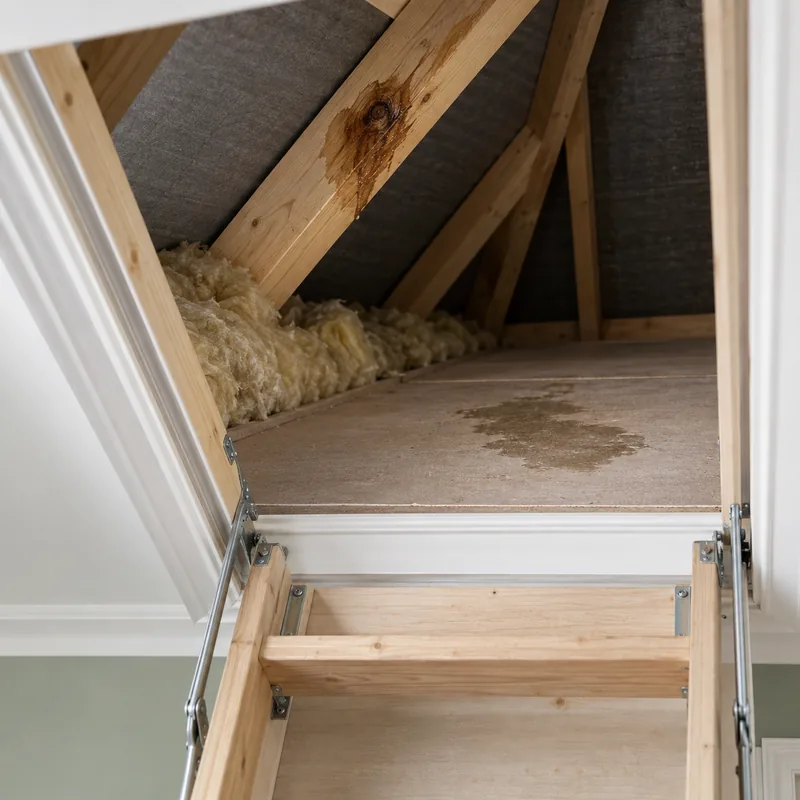 01
01Roof leaks, loft staining and mould appearing after occupation.
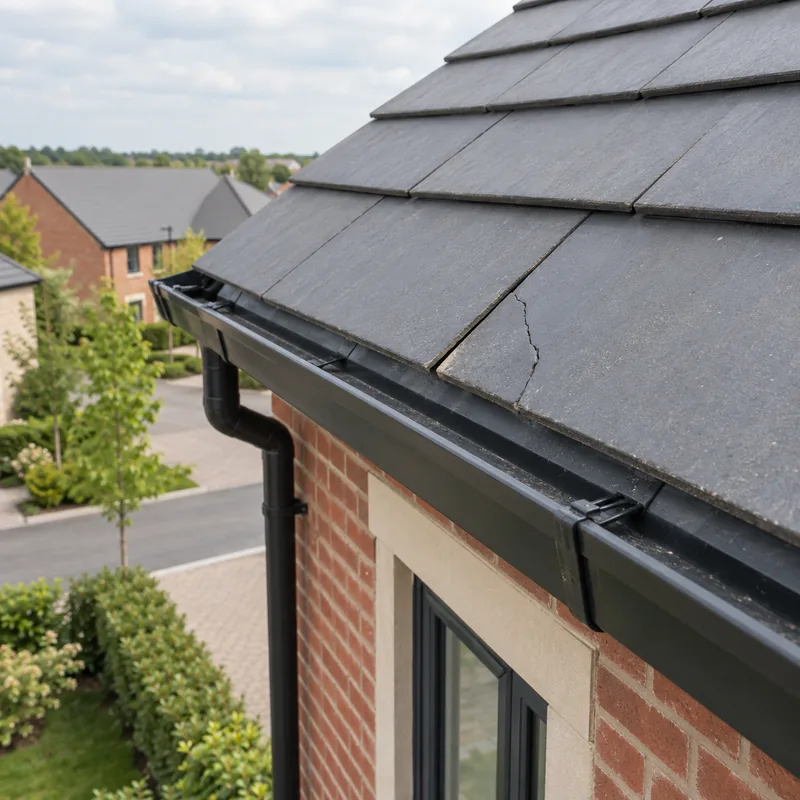 02
02Concerns about roof-tile coverage, cracked tiles and visible roof workmanship.
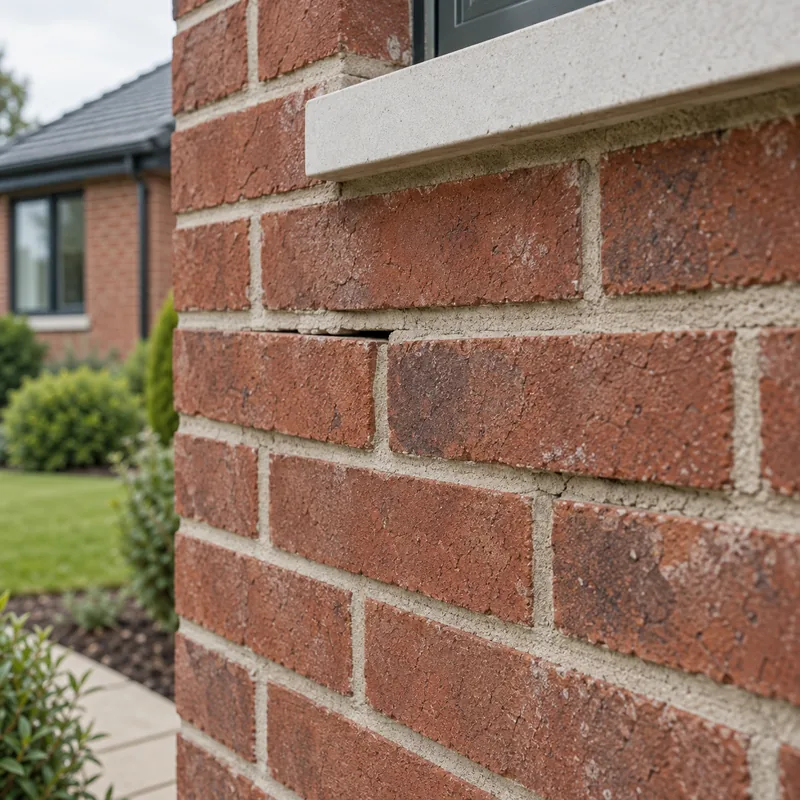 03
03Poor mortar, leaning or uneven walls and damaged or misaligned brickwork.
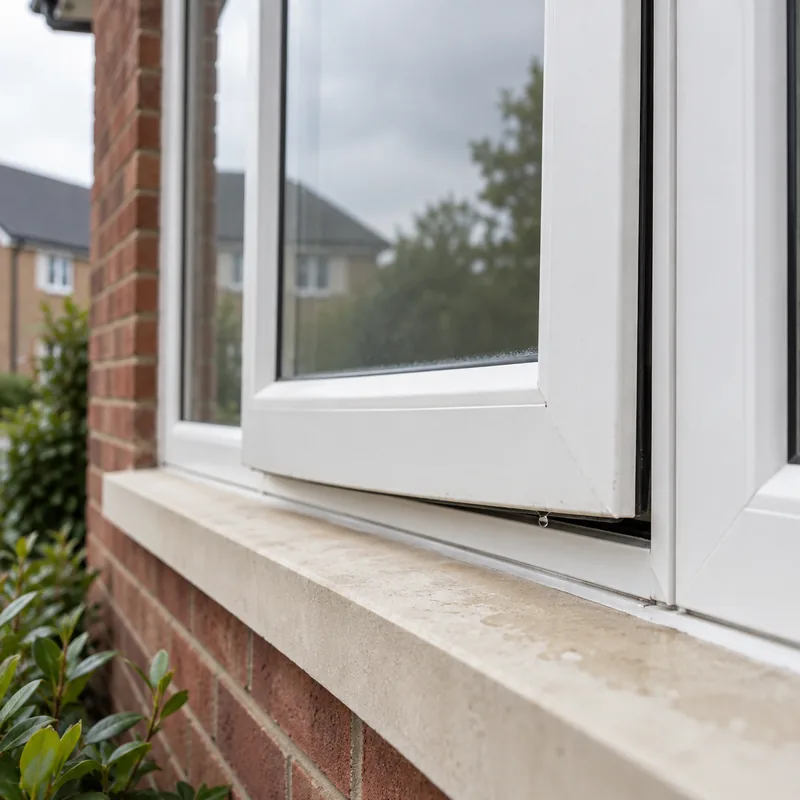 04
04Windows and external doors that bowed, leaked, would not close or operated poorly.
 05
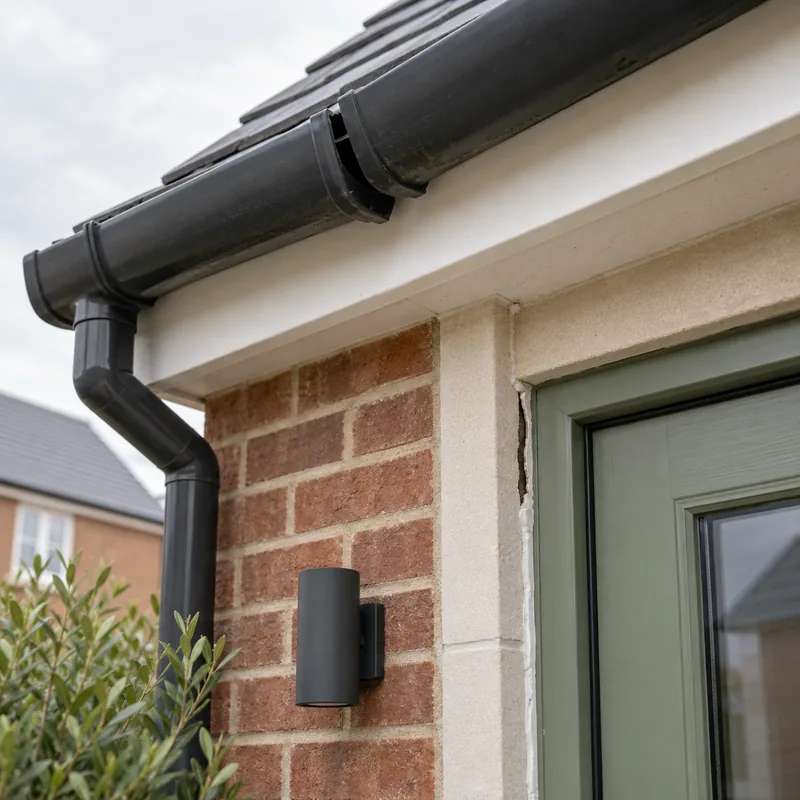
05Misaligned gutters, missing seals and incomplete or defective external junctions.
 06
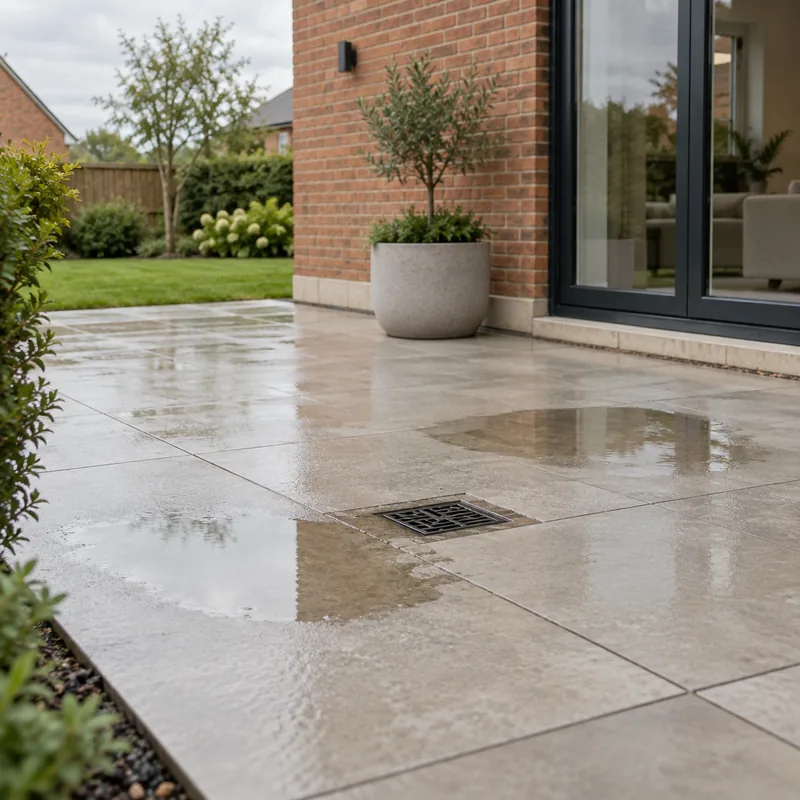
06Uneven patios, poor external levels, pooling water, surface drainage concerns and flooding.
 07
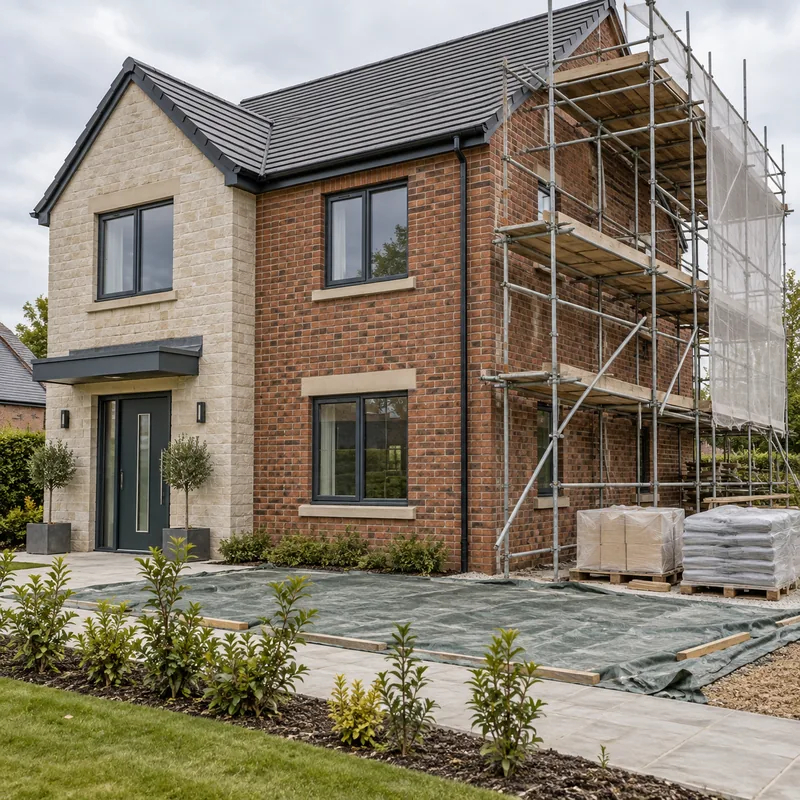
07Scaffolding, opening-up, rebuilding, repeat repairs, relocation and prolonged disruption.
Illustrative images — not photographs of the homes featured in these reports.
The external envelope is the home’s first line of defence
The reports selected for this page describe roof leaks, loft mould, cracked materials, defective mortar, leaning walls, bowing windows, poor external levels and flooding. These are not simply matters of kerb appeal. A defect in the outer envelope can allow water or cold air into a home, damage internal finishes, restrict normal use and require scaffolding, opening-up or extensive rebuilding. Selected cases do not predict the condition of every new home, but they show the potential severity.
A visible symptom does not always reveal a single cause. Water near a window might relate to the frame, sealant, surrounding masonry, cavity details or a path from elsewhere. A roof stain may involve tiles, flashings, membranes, penetrations or ventilation. Pooling near the home may reflect a local surface fall or wider drainage. CheckSure should record the condition and location without claiming a concealed cause that a non-invasive inspection cannot prove.
Depending on the agreed service, property boundary, access and safety, an inspection may consider roof coverings visible from safe ground positions, accessible loft conditions, chimneys and junctions that can be seen, gutters and downpipes, brickwork, mortar, render, windows, external doors, sealant, sills, paths, patios and surface drainage. Missing, damaged, misaligned, incomplete or poorly operating elements may be photographed and described for further action.
Conditions on the day matter. Rain may expose an active leak, while dry weather may leave no obvious evidence. High-level details may be obscured by the viewing angle, scaffolding or adjoining buildings. Vegetation, stored materials, unfinished landscaping and standing water can restrict access. A clear report should state what was visible, where the observation was made and any limitation that prevented a complete normal check.
Most developers operate quality-assurance, inspection and handover processes. Even so, external construction involves many materials, trades and junctions exposed to weather and continuing site activity. Human error can occur, finished work can be damaged, materials can fail and some defects emerge only during particular rainfall, wind or seasonal conditions. Independent inspection adds a separate evidenced checkpoint; it does not imply that every home is defective.
A completion-stage inspection does not involve walking on or opening the roof, removing finishes or verifying concealed membranes, wall ties, cavities, foundations or below-ground drainage. Unless expressly included in the controlled service, it is not a drone survey, CCTV drain survey, structural assessment or watertightness test. High-level or communal areas may be outside scope. No inspection can guarantee every defect will be found or every future leak, movement or drainage problem prevented.
Its proper value is early, proportionate evidence. A visible slipped or cracked tile, incomplete seal, damaged frame, open joint, irregular mortar, poor fall or sign of water entry can justify correction or specialist review before the condition worsens. A dated photographic baseline can support clearer requests, distinguish an original condition from later damage and identify when records, monitoring, safe high-level inspection, opening-up or specialist diagnosis are needed. That is meaningful assurance without overstating what the inspection establishes.
5 selected news articles
New-build snagging hits the headlines
CheckSure has summarised the key points and explained why they may matter. Each card links to the original publisher for the full context and responses.
* CheckSure did not inspect the homes featured and has not independently verified the reported accounts.
Roof leaks and loft mould in recently built homes
The BBC report records homeowners’ accounts of leaking roofs, loft mould and staining, alongside concerns about roof-tile coverage and flat-roof ventilation or insulation details. Some technical causes were disputed or concealed, so the final public summary must preserve the source’s attribution, chronology and material responses.
Read the original article ↗- Why it matters
- Water entering from the roof can damage insulation and internal finishes, encourage mould and lead to repeated visits or disruptive work while the route is investigated.
- What CheckSure could look for
- Visible roof coverings from safe ground positions and accessible loft staining, mould, debris, insulation coverage and ventilation paths may provide relevant warning signs.
Cracked tiles, misaligned gutters and visible external workmanship defects
The Guardian feature described professional snaggers finding cracked tiles and bricks, misaligned gutters and walls, missing external seals, window and door problems and drainage concerns. It provides strong examples of visible external inspection, but the featured company’s methods, equipment and scope must not be presented as CheckSure’s.
Read the original article ↗- Why it matters
- The examples show how defects across the roofline, walls, openings and drainage can combine, affecting appearance, operation, weather resistance and confidence in the home.
- What CheckSure could look for
- Many cited defects may be visible from safe positions and can be photographed, located and referred for correction or further assessment.
Uneven brickwork, wall cracks and unfinished external areas
The BBC report described households raising concerns including wall cracks, a gap between a wall and floor, uneven floors and brickwork, alongside leaks, appliances and unfinished communal infrastructure. This summary uses the visible building and external aspects only and must retain the source’s case distinctions and responses.
Read the original article ↗- Why it matters
- The reported conditions contributed to family concerns about safe normal use and to frustration about homes and surrounding areas that were not considered complete.
- What CheckSure could look for
- Visible cracks, gaps, brickwork irregularities, external incompleteness and accessible property-boundary conditions may be recorded and, where appropriate, referred.
Bowing windows, low-standard mortar and leaning outer walls reported
The BBC reported several households’ experiences, including one home with about 150 faults. The account described bowing windows and cited a surveyor’s concerns about mortar quality and deviation in outer walls, followed by major remedial work. Because several homes appear in the article, every detail and response must remain attached to the correct case.
Read the original article ↗- Why it matters
- The reported work included scaffolding, stripping back construction and temporary relocation, showing how external defects can escalate into significant disruption.
- What CheckSure could look for
- Window operation, visible frame condition, mortar, wall alignment and other accessible external workmanship may be observed, photographed or measured where the service permits.
Window, patio and surface-drainage concerns among a wide snag list
The BBC reported multiple defects across homes in Cambridgeshire, including window concerns, patios, surface drainage and flooding alongside serious internal and plumbing issues. This category summary is confined to the external and opening-related evidence and does not combine every reported defect into one cause.
Read the original article ↗- Why it matters
- Poor external levels or drainage can affect use of gardens and hard surfaces and may contribute to standing water or flooding, while defective windows can affect security and weather resistance.
- What CheckSure could look for
- Accessible window operation, patios, visible falls, pooling, surface drainage and external finishes within the property boundary may be recorded where present.
How CheckSure can help
Turn concerns into clear, independent evidence
What CheckSure could look for
- Missing, slipped, cracked or visibly misaligned roof coverings and accessible signs of staining or water entry, where observable safely.
- Visible defects in brickwork, mortar, render, sills, sealant, weep openings and external junctions.
- Windows and external doors that are damaged, bowed, poorly sealed or do not open, close, latch or align normally during an accessible check.
- Gutters, downpipes and visible rainwater components that are incomplete, damaged, misaligned or poorly connected.
- Uneven paths or patios, poor visible falls, pooling and accessible surface-drainage concerns within the inspected property boundary.
- Visible cracking, gaps, unfinished work, damage and other warning signs requiring records, monitoring, repair or specialist assessment.
What an independent inspection adds
- CheckSure can review accessible external surfaces, openings, junctions, gutters, levels and related internal warning signs within the agreed scope and safe access limits.
- Photographs and exact locations create an independent record of cracks, gaps, damage, misalignment, poor operation or water-related indicators.
- Considering the roofline, walls, windows, doors and surrounding levels together can reveal patterns that a quick handover walk may miss.
- Where access, height, concealment or specialist diagnosis limits a conclusion, the report can identify the concern and support an appropriate next investigation.
Need to know more?
Questions about the inspection?
Find clear answers about scope, reports, timings and what to expect.