

Snags in the news
Heating, insulation and thermal comfort in new-build homes
National news reports have described recently built homes that became extremely cold, difficult or expensive to heat, with residents reporting draughts, missing or wet insulation, heating failures and lengthy investigations. These were not simply matters of personal preference: the conditions affected daily comfort, household costs and confidence in the home. This page explains what a CheckSure inspection could examine and document within an accessible, non-invasive inspection.
Examples from national news reports
Typical faults, snags and defects
The stories show how draughts, heating faults and insulation concerns can combine to make a new home uncomfortable, costly to run and disruptive to investigate.
 01
01Recently built homes reportedly becoming extremely cold and difficult to heat.
 02
02Draughts and heat loss affecting day-to-day comfort and confidence in the home.
 03
03High energy costs associated by homeowners with attempts to maintain a reasonable temperature.
 04
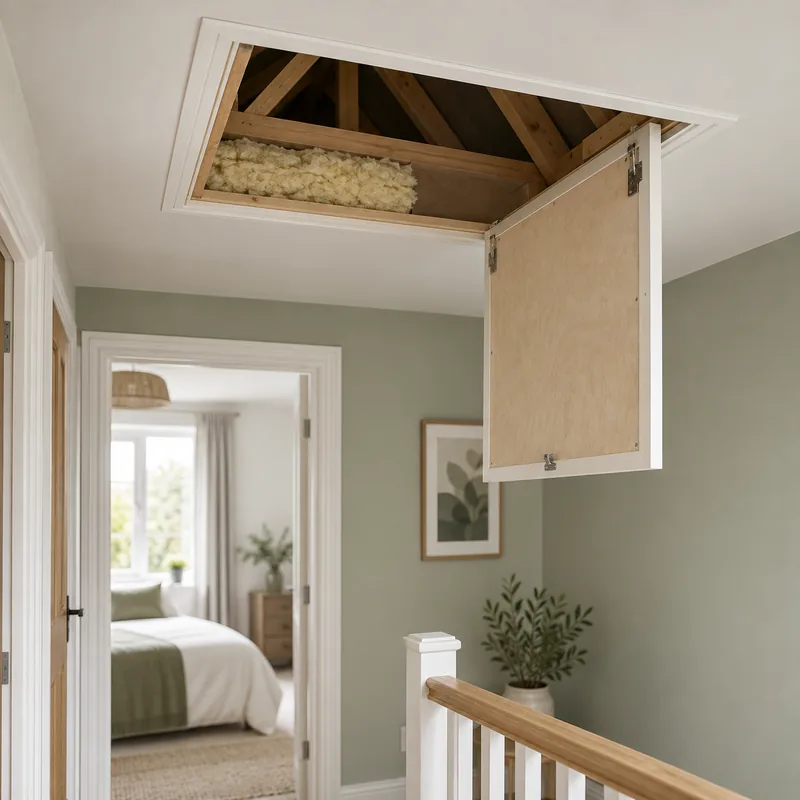
04Missing, incomplete or wet insulation described in wider new-build reporting.
 05
05Condensation and moisture indicators occurring alongside insulation or ventilation concerns.
 06
06Heating systems or components that did not operate as expected, or were removed during major remediation.
 07
07Lengthy investigation, repeat visits, disruption and uncertainty about the underlying cause.
Illustrative images — not photographs of the homes featured in these reports.
Thermal comfort problems can quickly affect everyday life
The reports selected for this page describe consequences beyond a room feeling slightly cool. Homeowners reported homes that were extremely difficult to keep warm, intrusive draughts, rising energy costs, condensation, wet or missing insulation and major remedial work. In one account, the property was described as “too cold to live in”. These are selected reports, not a prediction for every new home, but they show that thermal-comfort concerns can become serious, expensive and disruptive.
A cold home is a symptom, not a diagnosis. Possible contributors can include heating controls or emitters, incomplete commissioning, gaps around doors or windows, insulation coverage, airtightness, ventilation, moisture and the way several building elements meet. More than one factor may be involved. CheckSure should record what can reasonably be seen or operated without claiming that an observation proves the concealed construction, technical cause or legal responsibility.
Some warning signs can justify early investigation. A heating control that does not respond, radiators that do not warm during an available normal-operation check, obvious gaps or damaged seals around accessible openings, visibly displaced loft insulation, persistent condensation or extract ventilation that does not appear to operate can all be relevant. Dated photographs and a clear record of the conditions on the day can help distinguish an observable concern from a later, seasonal or intermittent event.
A CheckSure inspection examines accessible elements and records relevant conditions reasonably observable on the day. Depending on the agreed service, access, season and safe normal operation, this may include heating controls, whether accessible heat emitters begin to warm, doors and windows, visible seals and gaps, accessible loft-insulation coverage, condensation indicators and ventilation controls. An abnormal response may be documented and referred; it is not certification of capacity, balance, efficiency or whole-home performance.
Most developers operate quality-assurance, inspection and handover processes. Even so, homes are hand-assembled by many trades and thermal comfort depends on numerous materials, junctions, services and commissioning steps. Human error can occur, work can be damaged after checking, materials can fail and some defects emerge only during particular weather or after occupation. Independent inspection adds another evidenced checkpoint; it does not imply that every home is defective.
A completion-stage inspection remains visual, accessible and non-invasive. It is not thermography, an airtightness or pressure test, a heat-loss calculation, a U-value assessment, an energy audit, a heating-system service or an opening-up investigation. Concealed insulation, wall and floor build-ups, thermal bridges and hidden air paths cannot normally be verified. Mild weather may prevent a heat-loss or wind-dependent draught problem from appearing, and no inspection can guarantee every defect will be found or every later problem prevented.
Its proper value is nevertheless significant: it gives buyers a focused opportunity to identify and document visible, accessible or normally testable concerns before warning signs are overlooked and before responsibility becomes harder to establish. It can support clearer requests for correction and show when commissioning records, monitoring, opening-up work or a suitably qualified heating or building-performance specialist may be needed. That is a proportionate promise: useful independent evidence, with firm boundaries around what the inspection can and cannot establish.
5 selected news articles
New-build snagging hits the headlines
CheckSure has summarised the key points and explained why they may matter. Each card links to the original publisher for the full context and responses.
* CheckSure did not inspect the homes featured and has not independently verified the reported accounts.
New-build homes described as “too cold to live in”
The BBC report records Yorkshire homeowners’ accounts of severe cold and difficulty retaining heat in recently built homes. The evidence audit identifies draughts, energy costs and thermal comfort as central themes. The final public summary must be checked against the full article, including its chronology, technical evidence and material responses.
Read the original article ↗- Why it matters
- The reported conditions affected ordinary comfort and the homeowners’ ability to use their homes as expected, while attempts to maintain warmth were associated with concern about energy costs.
- What CheckSure could look for
- Heating response, accessible controls, visible seals and gaps, window and door operation, accessible loft-insulation coverage and ventilation operation may provide relevant observations.
Heat loss and heating concerns within a wider account of serious defects
A wider BBC report on multiple new-build cases included heat loss and heating response among plumbing, window, electrical and fire-related concerns. This category summary is deliberately confined to the relevant English thermal-comfort evidence and should not merge separate households or present every allegation as one property’s experience.
Read the original article ↗- Why it matters
- The account places loss of warmth alongside repeated defects and extended efforts to secure corrections, showing how thermal-comfort concerns can form part of a broader pattern of disruption.
- What CheckSure could look for
- Window operation, visible gaps or seals, accessible heating response and visible conditions may be recorded when present during the visit.
Missing insulation and condensation in wider new-build complaints
The BBC feature reported varied quality concerns, including missing insulation and condensation, alongside substandard ceilings, badly fitted fire doors and repeated remedial work. It is used here as sector context rather than as proof of one technical cause or one representative home.
Read the original article ↗- Why it matters
- Missing insulation or continuing condensation can affect comfort and confidence and may lead to disruptive investigation or correction, particularly where construction is concealed.
- What CheckSure could look for
- Accessible loft-insulation coverage, condensation indicators and relevant visible workmanship may be observed and documented.
Wet insulation, window problems and damp among extensive defects
The BBC reported several households’ experiences, including one home with about 150 faults and accounts involving wet walls, mould, bowing windows and wet insulation. Because the article combines different homes and causes, the final page must keep each attributed detail attached to the correct household.
Read the original article ↗- Why it matters
- The reported combination of moisture, window and insulation concerns was associated with major disruption, including households moving out while problems were addressed.
- What CheckSure could look for
- Visible window operation, staining, mould and accessible loft-insulation condition may be recorded if present and accessible.
Heating removed during major remedial work after hundreds of reported defects
The BBC reported a household’s account of 354 defects and major corrective work that required the kitchen and heating to be removed and the family to leave the property. The report does not establish one thermal cause, so this is used as evidence of potential disruption rather than diagnosis.
Read the original article ↗- Why it matters
- Loss of heating during extensive remediation and temporary relocation illustrate how a large defect programme can affect normal occupation, even where heating was not the original cause of every issue.
- What CheckSure could look for
- A systematic inspection may record many visible finish, operation and completion defects and whether accessible heating controls and emitters respond during a normal check.
How CheckSure can help
Turn concerns into clear, independent evidence
What CheckSure could look for
- Heating controls that do not respond, and accessible radiators or other emitters that do not begin to warm during a safe normal-operation check where conditions permit.
- Visible gaps, damage or incomplete seals around accessible windows and external doors, together with openings that do not close correctly.
- Obvious gaps, displacement or incomplete coverage in accessible loft insulation where the surface can be viewed safely without disturbance.
- Condensation, staining, mould or moisture indicators that may justify further investigation without proving a thermal or ventilation cause.
- Accessible extract or ventilation controls that do not appear to operate normally, without measuring air-change performance.
- Relevant visible workmanship at junctions and service penetrations, and the need for records or specialist follow-up where a concealed cause is suspected.
What an independent inspection adds
- CheckSure can review accessible heating controls, emitters, obvious draught paths and related signs across the home within the agreed inspection scope.
- Room-by-room observations and photographs create a clearer record than a general statement that the property feels cold.
- An independent review can identify patterns such as localised cold areas, poor operation or moisture indicators that justify focused remedial attention.
- If specialist testing or concealed-construction evidence is needed, the report can make that next step clearer without overstating what a completion-stage inspection proves.
Need to know more?
Questions about the inspection?
Find clear answers about scope, reports, timings and what to expect.